A bath bomb left unwrapped does not stay perfect for long. Humidity in the air can affect it, hands leave marks, dust settles on the surface, and the finished product ends up looking less polished than it should. Shrink wrap for bath bombs solves much of this by forming a clean protective layer around each piece while still letting the colors and shape show through.
Getting good results depends on several choices. The right wrapping method depends on film type, product size, heat level, sealing technique, and how the bath bomb will be sold. Successful bath bomb wrapping is not simply a matter of putting plastic around the product and applying heat. This guide covers film selection, sizing, preparation, sealing, shrinking, storage, shipping, retail presentation, and alternatives, so you can choose and use shrink packaging effectively without compromising the bath bomb.
Why Shrink Wrap Works Well for Bath Bomb Packaging
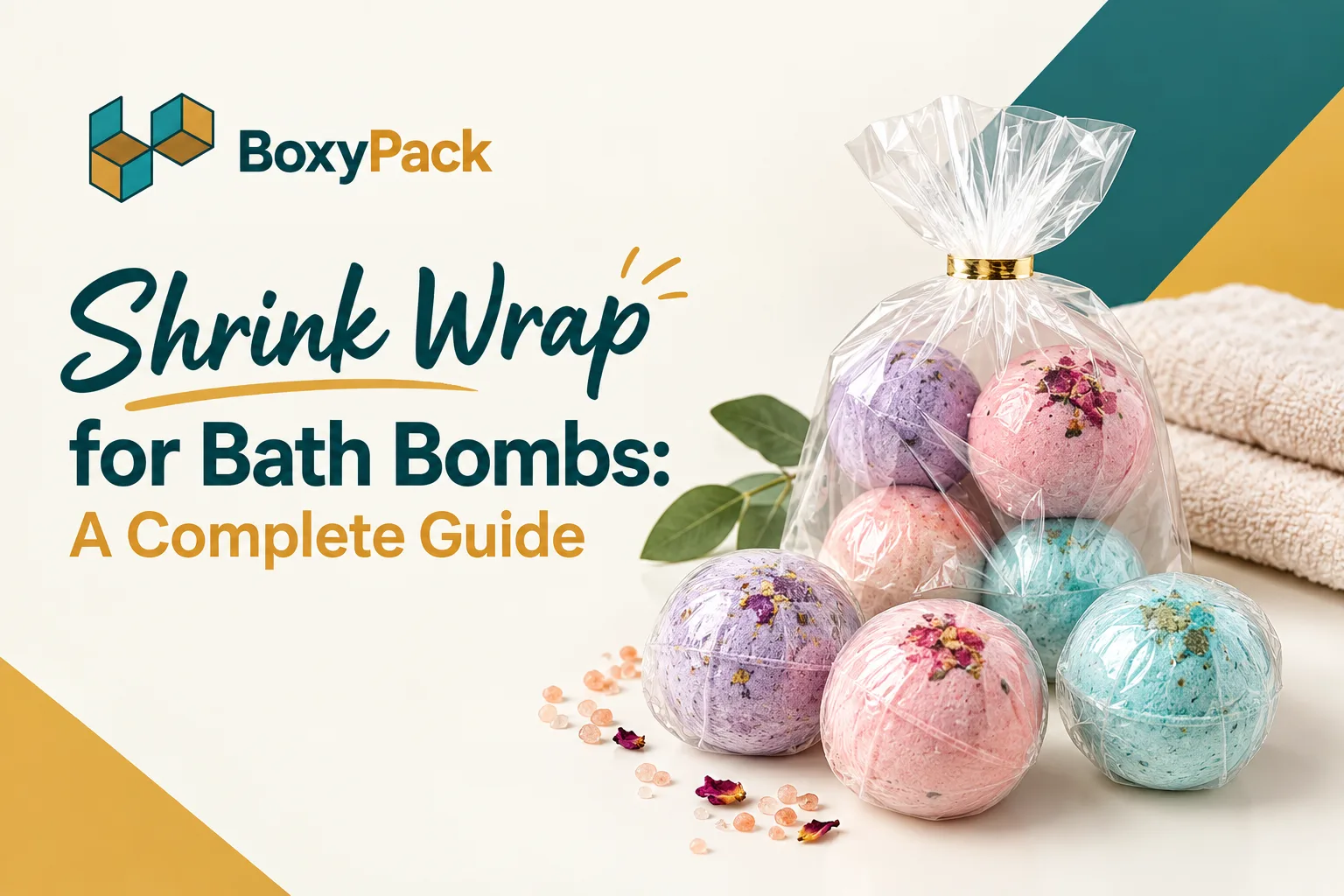
Shrink wrap suits bath bombs because it conforms to the product's shape and holds it in a snug, protective layer. A bath bomb is usually round or molded, and shrink film tightens around those curves instead of leaving loose folds. This gives each piece a finished appearance and a barrier against everyday contact.
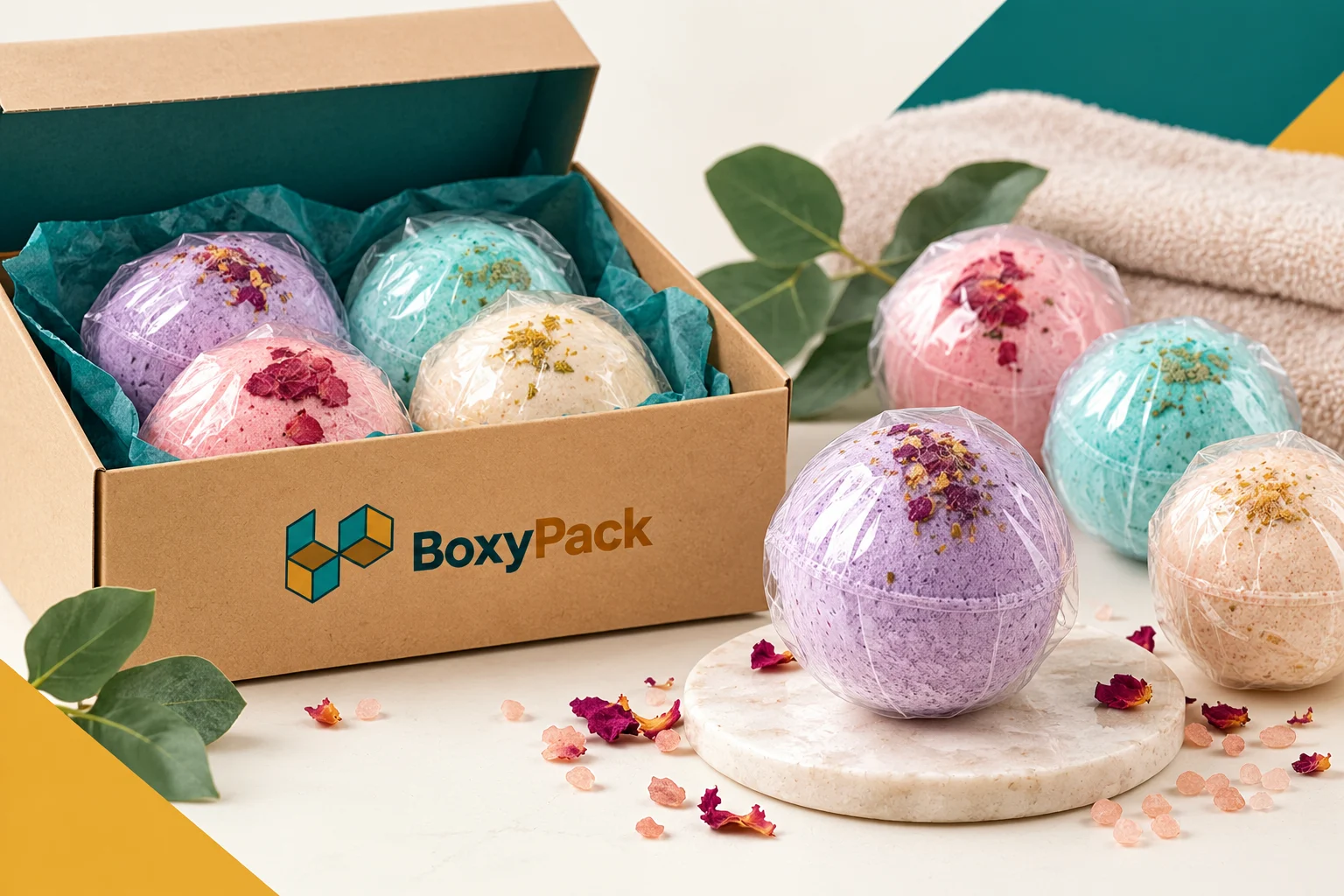
Protection is the first benefit. Film reduces direct handling, which limits fingerprints, surface scuffs, and dust. A well-sealed layer can also limit exposure to humid air, although it should not be treated as a guarantee of airtight protection. Clear film adds a presentation benefit, because customers can see the color, shape, and decoration of the product before buying. Brands that build out a full bath and body line often look at bathroom essentials packaging alongside the film, since wrapped bath bombs still need a box or carton to travel and display well.
Shrink wrap also helps with consistency. When every bath bomb is wrapped the same way, a batch looks uniform on the shelf and in an online photo. The film keeps the packaging compact, and it works with many bath bomb shapes, from simple spheres to textured or layered designs. For makers who sell individual pieces, it is a practical way to make each one look shelf-ready.
How to Choose the Best Shrink Film for Bath Bombs
Choosing film before you buy supplies prevents weak seals, excessive shrinking, poor appearance, and product damage. Film varies in material, thickness, clarity, and heat response, so the right choice depends on your bath bomb and your method. The following points explain what to evaluate. Each one connects to how the film behaves once you start wrapping.
Match Film Type to the Wrapping Method
Different formats suit different methods. Rolls of film work for hand wrapping and custom sizes, shrink bags suit quick individual packaging, and sleeves or pre-cut formats support faster, more consistent production. Common film materials include polyolefin and PVC, so check the supplier's specifications to see which fits your process.
Choose Film Thickness for Product Protection
Thickness affects handling, puncture resistance, flexibility, and the finished look. Thicker film resists tearing but can be harder to shrink smoothly, while thinner film wraps easily but may be more fragile. Choose a thickness that protects the product without making the wrap stiff.
Consider Clear Film for Product Visibility
Clear shrink wrap for bath bombs lets customers see colors, shapes, decorations, and branding while the film protects the surface. This is especially valuable for retail, where visibility helps the product sell itself. Check that the film is truly clear and does not cloud after heating.
Check Film Heat Requirements Before Use
Each film has a recommended shrinking temperature and heat response. Following those guidelines matters with bath bombs, because too much heat can damage the film or affect the product. Read the specifications before you begin and test accordingly.
Select Film That Works With Your Sealing Setup
The film must be compatible with the equipment you use, whether that is an impulse sealer, a heat sealer, a shrink tunnel, or another system. Some films seal more easily with certain tools. Confirm compatibility so your seals close cleanly and hold.
Account for Product Shape and Surface Details
Round, irregular, textured, layered, and decorated bath bombs behave differently under film. Raised details may need more flexible film to avoid tight spots, while smooth shapes wrap more evenly. Consider your most challenging shape when choosing.
Test a Small Quantity Before Buying in Bulk
Run a small test to check clarity, shrinking behavior, sealing strength, appearance, and compatibility with the product. A few trial wraps reveal problems that a specification sheet will not. Testing first prevents committing to a large quantity of film that does not suit your bath bombs.
Preparing Bath Bombs Before Applying Shrink Wrap
The quality of the finished wrap depends on the condition of the product going into it. Preparation reduces cracking, surface defects, trapped moisture, and weak seals. A few checks before wrapping save time and waste. The three steps below cover what to confirm for bath bomb wrapping, protective bath bomb wrapping, and bath bomb sealing.
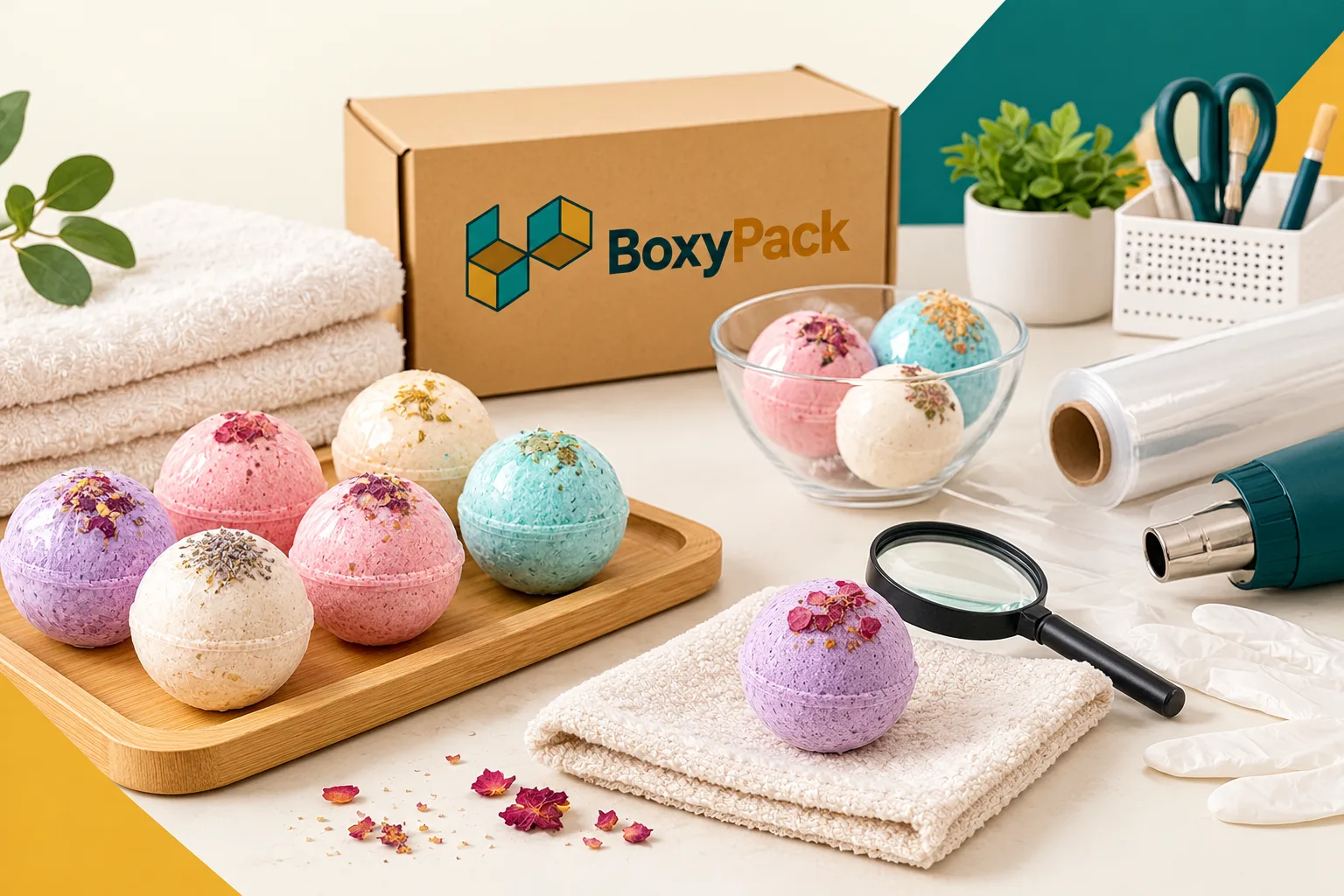
Make Sure Bath Bombs Are Fully Ready to Wrap
Bath bombs should be set and stable before they are enclosed in film. Wrapping a product that is still soft or damp can trap moisture and spoil the surface. Let each piece finish setting so it keeps its shape during handling and heating.
Inspect Surfaces Before Final Packaging
Check for cracks, loose decorative pieces, powder residue, and other issues. Film tends to make flaws more noticeable, not less. Set aside any bath bombs that are not ready for presentation.
Prepare a Clean and Organized Wrapping Area
A clean workspace, the right tools, and a consistent workflow improve packaging quality and reduce contamination. Keep film, sealers, and finished products organized so nothing gets handled twice. A tidy station also makes it easier to repeat the process across a whole batch.
How to Shrink Wrap Bath Bombs for a Clean Finish
A clear sequence produces cleaner results and fewer wrinkles, loose film, weak seals, and uneven shrinking. The process is simple once you know the order, and it works for beginners and small businesses alike. The steps below cover heat shrink wrap bath bombs from the first measurement to the final inspection. Following them in sequence helps every package come out consistent.
Measure the Film Around the Bath Bomb
Allow enough material to cover the product and leave room for sealing, without creating excessive waste. Wrap the film loosely around the bath bomb to estimate the length, then cut accordingly. A little practice makes the right amount easy to judge.
Position the Bath Bomb Inside the Film
Center the bath bomb in the film so the material is balanced on all sides. Centered placement leads to a more even shrink and a more professional look. Off-center placement often leaves one side loose and the other tight.
Create a Secure Initial Seal
The film needs a clean, closed seal before heat is applied. Seal the open edges according to your equipment and check that nothing is folded or pinched. A solid seal keeps the film in place while it shrinks.
Trim Excess Film Before Shrinking
Extra material creates bulky folds, uneven edges, and a less polished appearance. Trim the seal area neatly, leaving enough for strength. Clean edges shrink more smoothly.
Apply Heat Gradually and Evenly
Use controlled, gradual heat and keep it moving over the package. Excessive heat can damage the film or affect the product, so start gently and watch how the film responds. Patience gives a smoother finish than rushing.
Inspect the Finished Shrink Surface
Check for wrinkles, loose sections, open seams, holes, and uneven shrinking. Fix small problems early, or set the piece aside if it cannot be corrected. A quick inspection of every package keeps quality consistent.
Let the Package Cool Before Handling
Allow the film to stabilize before stacking, labeling, or shipping. Handling too soon can distort the shape or loosen the seal. A short cooling period improves package integrity.
Choosing the Right Shrink Film Size and Thickness
Buying the wrong size creates waste and frustration. Film that is too tight is hard to seal, and film that is too loose will not shrink neatly. Knowing how product dimensions influence film choice helps you buy the right shrink packaging supplies. The three points below explain how to size and select film for shrink film for bath bombs and shrink bags for bath bombs.
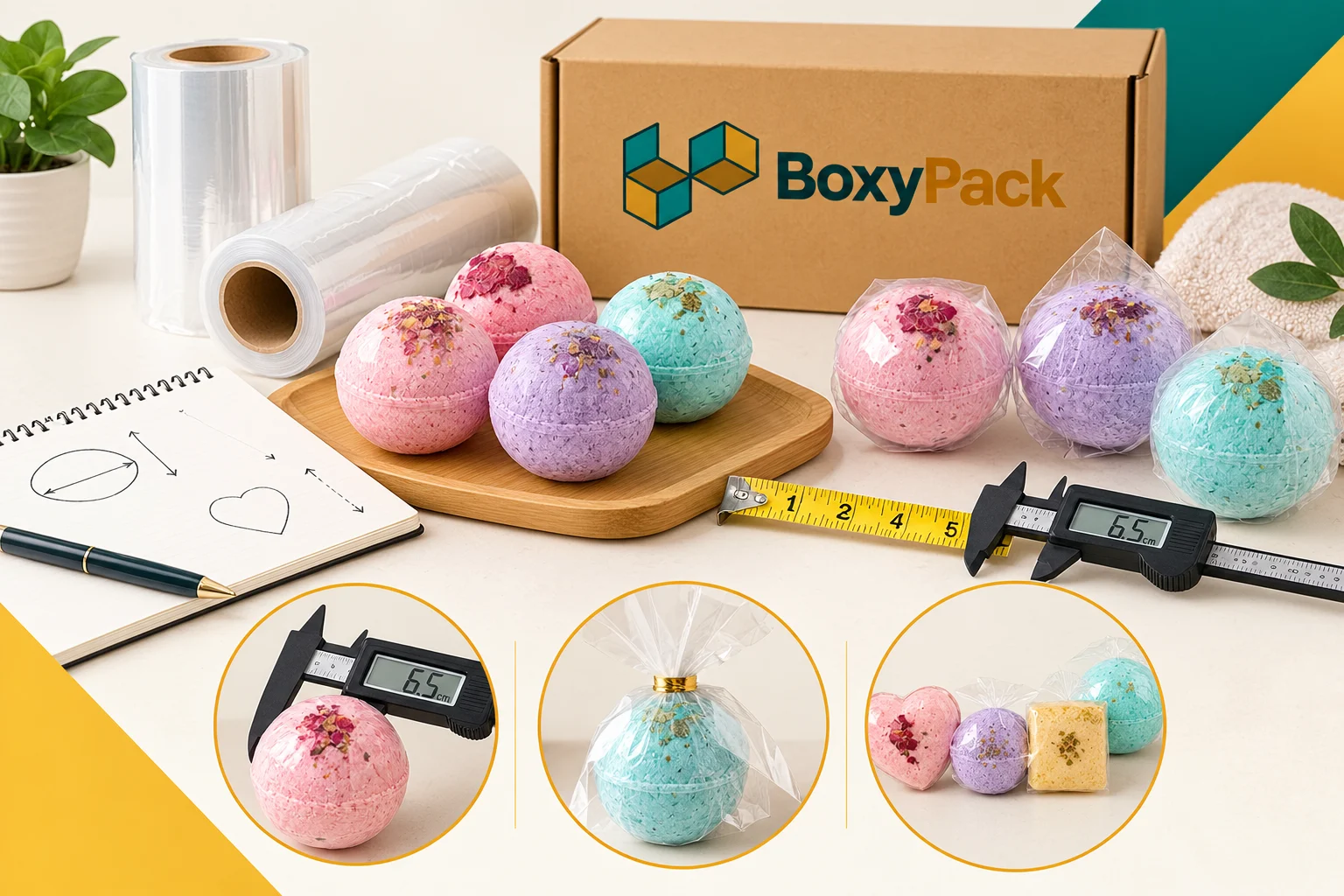
Measure the Finished Bath Bomb Dimensions
Measure the diameter, height, and shape of the finished bath bomb, and include any existing wrapping or decoration. These dimensions determine how much film is needed to cover the product. Measure a few pieces from each batch to account for small variations.
Allow Space for Sealing and Shrinking
The film must provide enough material for a secure seal without leaving unnecessary excess. Too little makes sealing difficult, while too much creates bulky folds. Test an allowance that works with your equipment and keep it consistent.
Match Film Size to Different Bath Bomb Shapes
Round, heart-shaped, square, oversized, and irregular bath bombs each need slightly different film dimensions. Shapes with corners or points may need more flexible film and a little extra material. Consider keeping a size guide for each product in your range.
Comparing Shrink Wrap Options for Bath Bomb Packaging
Shrink wrap comes in several formats, and each fits a different situation. Comparing them helps you choose the right supplies instead of buying without understanding the differences. The table below compares convenience, visibility, protection, equipment needs, and typical uses.
Packaging Option | Best For | Main Advantage | Consideration |
Shrink film roll | Flexible batch wrapping | Customizable sizing | Requires cutting and sealing |
Shrink bags | Fast individual wrapping | Easy product placement | Limited sizing flexibility |
Clear shrink film | Retail visibility | Shows the product clearly | Needs careful heat application |
Pre-cut sleeves | Consistent production | Faster packaging workflow | Less flexible for unusual shapes |
Heat-shrink packaging | Professional finishing | Tight, polished appearance | Requires controlled heat |
Film rolls offer the most flexibility, since you cut each piece to size, but they take more time. Shrink bags speed up individual wrapping, though sizing is more limited. Pre-cut sleeves suit makers with consistent product sizes who want a faster workflow. Once wrapped, bath bombs are often packed into retail product boxes or placed on display shelves, so the film should look clean from every angle. The best option depends on your batch size, product shapes, and equipment.
Pros and Cons of Using Shrink Wrap for Bath Bombs
Shrink wrap is a popular choice, but it is not right for every brand or product. Looking at both sides helps you decide whether it fits your workflow, sustainability goals, and selling environment. For some makers, the clean finish and visibility are worth the extra step, while others may prefer a different approach.
Because shrink film is plastic-based, some brands look for alternatives, such as paper-based wraps or recyclable kraft boxes that protect and present the product without film. The lists below summarize the main advantages and limitations of shrink wrap for bath bombs.
Pros
Creates a clean protective outer layer
Helps reduce direct handling of the product
Keeps the bath bomb visibly displayed
Can provide a polished retail appearance
Works with many bath bomb shapes
Can be used for individual product packaging
Helps keep packaging compact
Supports consistent presentation across product batches
Cons
Requires careful heat control
Incorrect film sizing can create waste.
Excessive heat may damage the packaging.
Wrapping can require additional equipment.
Plastic-based films may raise sustainability concerns.
Poor sealing can reduce packaging effectiveness.
Irregular shapes can be more difficult to wrap neatly.
How Heat and Sealing Affect Bath Bomb Packaging
Heat and sealing work together, and problems in one often show up in the other. Open seams, burned film, wrinkles, holes, and loose packaging usually come back to how the film was sealed or heated. Understanding the process helps you get consistent results. The points below explain how to approach heat shrink packaging more reliably.
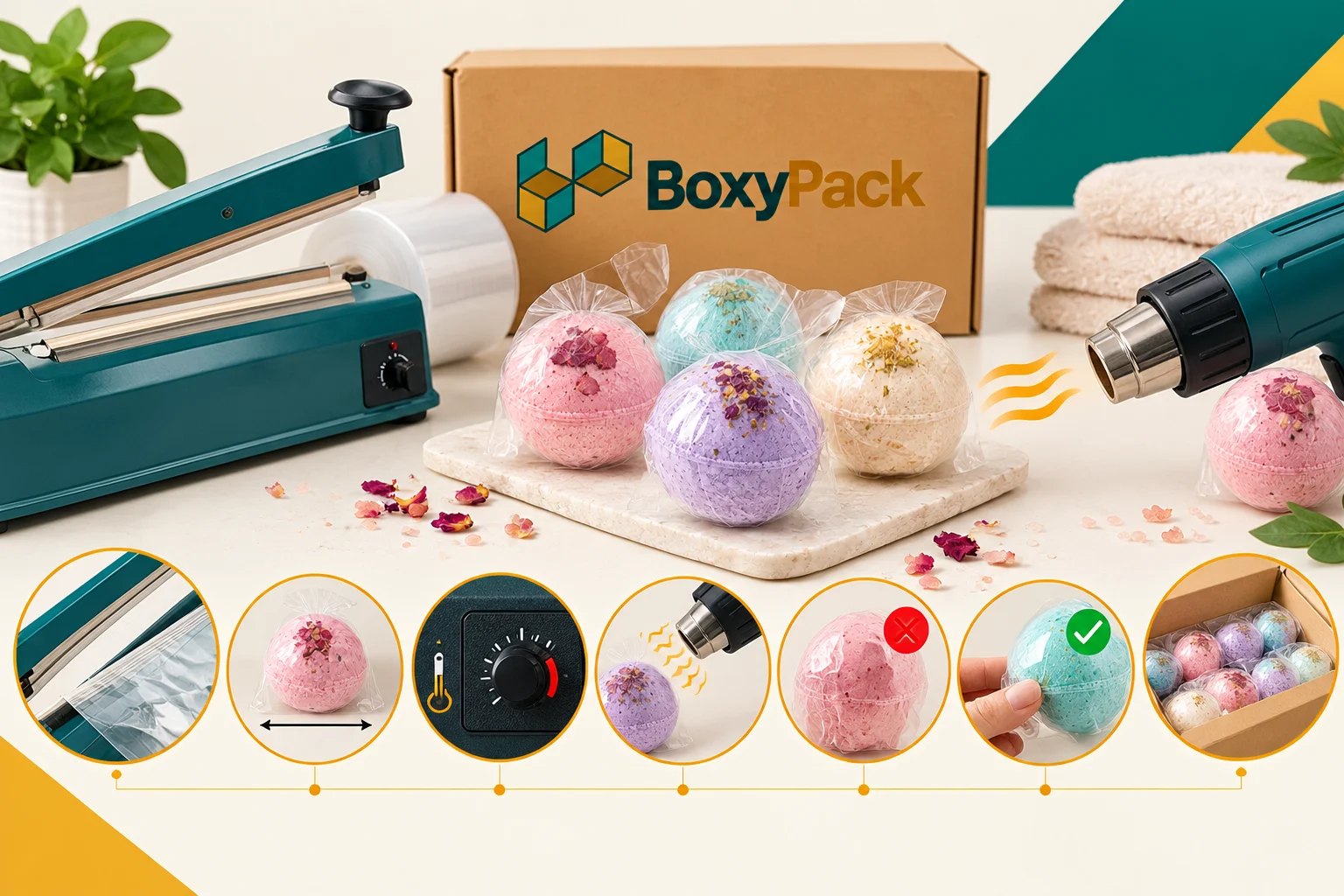
Choose the Right Sealing Method
Impulse sealers, heat sealers, and other compatible systems all create closed packaging in different ways. Pick the method that suits your film and your volume. A reliable sealer is the foundation for a package that stays closed.
Create a Consistent Seal Width
A uniform sealing area helps prevent openings and improves the finished appearance. Inconsistent seals are more likely to open or look uneven. Keep the width the same from piece to piece.
Set Heat According to Film Requirements
Follow the film's specifications instead of applying maximum heat. Each film has its own range, and exceeding it can distort the material. Use the supplier's guidance as your starting point and adjust through testing.
Keep the Heat Source Moving
When shrinking by hand, keep the heat moving so it spreads evenly across the film. Holding it in one spot can burn or warp the material. Steady movement gives a smoother, tighter finish.
Avoid Overheating the Package
Signs of excessive heat include distorted film, weak areas, holes, and an unattractive finish. Overheating can also affect the product underneath. If you see these signs, reduce the heat or shorten the exposure.
Check Every Seal Before Packing
Simple visual and handling checks can find weak or incomplete seals. Look along the seam and gently test it before packing. Catching a bad seal early prevents a damaged product later.
Adjust the Process for Batch Consistency
Across larger runs, keep equipment settings, handling methods, and inspection standards the same. Small changes in technique can create visible differences between batches. A written routine helps every wrapped piece match the last.
Protecting Shrink Wrapped Bath Bombs During Shipping
Shrink wrap protects the surface of a bath bomb, but it does not make the product shipping-proof. During transit, packages are dropped, stacked, and jostled, and a thin film cannot absorb that kind of impact. For ecommerce sellers, shrink wrapping should be one layer within a complete protection plan.
Secondary packaging does most of the work. A well-fitted box, cushioning, and enough strength to resist crushing keep the product safe, and sturdy protective shipping boxes are a common choice for sending wrapped bath bombs to customers. Movement control matters as well, since a bath bomb that shifts inside the box is more likely to chip or crack even when it is wrapped. Environmental exposure is another factor, because packages can pass through humid or wet conditions on the way. Shrink film helps with surface protection, while the outer box provides the structure.
Shipping considerations worth checking before you send an order:
Use a box sized closely to the wrapped product to limit movement.
Add cushioning or inserts around fragile or detailed shapes.
Choose outer packaging with enough strength for the weight of the order.
Keep wrapped bath bombs separated so they do not rub or knock together.
Seal the carton securely and protect it from moisture.
Test a sample shipment before scaling up to full orders.
Retail Presentation Ideas for Shrink Wrapped Bath Bombs
Shrink wrap is not only for protection. A neatly wrapped bath bomb looks finished and shelf-ready, and clear film lets customers see exactly what they are getting. The goal is to combine clean wrapping with presentation details that help the product sell. Consistent, tidy results make a range look professional.
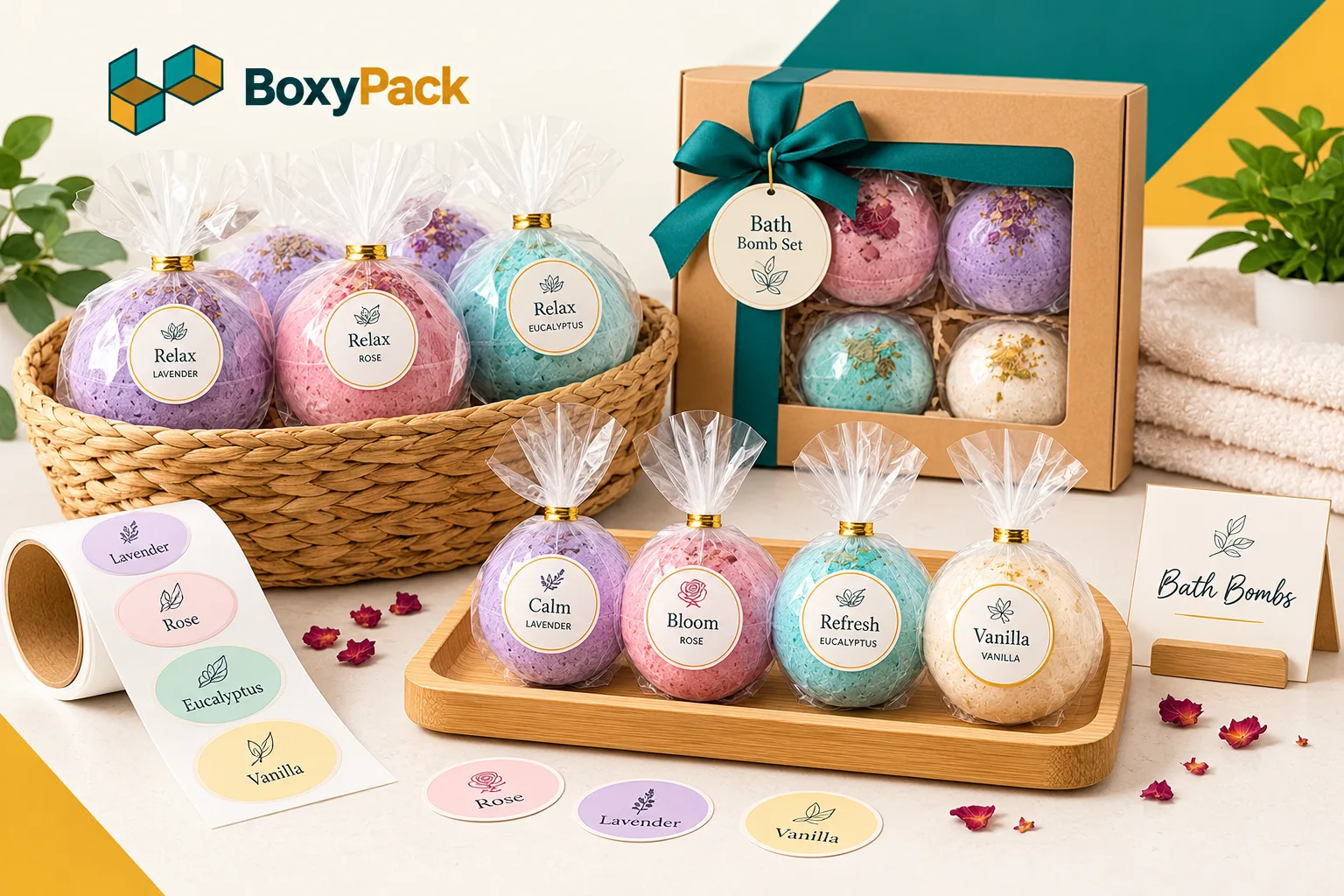
Labels are the most common finishing detail. A small label can carry the brand name, the scent, and key product information without covering the whole bath bomb. Placing labels in the same position on every piece makes a display look organized, and scent names should be easy to read from a short distance. Product visibility is the main advantage of clear packaging film, so keep labels compact enough that the color and shape remain the focus.
Display arrangement matters too. Wrapped bath bombs can be grouped by scent or color, stacked in baskets, or placed in trays so the range looks cohesive. For gifting, brands often combine several wrapped pieces in custom gift boxes, which turns individual products into sets that feel ready to give. Consistency is the key to good retail bath bomb wrapping, since matching film, labels, and spacing make even a small collection look deliberate. The supplies you choose, from film to labels to boxes, should all support the same look.
Final Thoughts on Using Shrink Wrap for Bath Bombs
Shrink wrap for bath bombs works best when the film, the method, and the product are matched to each other. The right film type and thickness, a well-judged size, a prepared product, careful sealing, and controlled heat all contribute to a clean, protective finish. Skipping any one of these steps is what usually leads to wrinkles, weak seals, or damaged surfaces.
Shrink film is one part of a complete packaging approach. It protects the surface and shows off the product, while boxes, inserts, and shipping materials handle structure and transit. Thinking about bath bomb wrapping together with the selling environment, whether that is a retail shelf, a gift set, or an online order, leads to better decisions about every material you buy. Brands that care about sustainability can also weigh film against alternatives, with Boxy Pack helping them choose packaging that fits their values and their products.
Before you scale production, take time to test your chosen film and wrapping method on a small batch. Check the fit, the seal, the clarity, and how the wrapped bath bomb holds up when handled and packed. A few trial runs will show whether your approach works for your products, and they give you the confidence to move forward with a bath bomb packaging film that suits your brand.
FAQs About Shrink Wrap and Bath Bomb Packaging
Selecting and applying shrink wrap involves several practical decisions, from film type and sizing to sealing and heat control. The best answers to common packaging concerns depend on the bath bomb's shape, the film specifications, your equipment, and the intended use. The following questions cover what makers and brands ask most often.
Which shrink film works best for individually wrapped bath bombs?
Clear film in a flexible material such as polyolefin is a common choice, since it wraps smoothly and shows the product well. The best option depends on your bath bomb's shape and your sealing equipment, so check the supplier's specifications. Testing a small quantity before buying in bulk helps confirm the match.
How much extra film should be left around a bath bomb before sealing?
Leave enough material to cover the product fully and form a secure seal, without a large excess that creates bulky folds. The right amount varies with shape and size, so wrap a few test pieces to find the allowance that works. Once you find it, keep it consistent across the batch.
Can shrink wrap protect bath bombs from humidity during storage?
A well-sealed film layer can reduce exposure to humid air, but it should not be treated as completely airtight. Storing wrapped bath bombs in a cool, dry place and using a closed outer container adds further protection. Poor seals reduce the benefit, so check each one.
What causes wrinkles or loose areas in bath bomb shrink packaging?
Common causes include film that is too large, uneven heat, a poorly centered product, and weak seals. Using the right film size, centering the bath bomb, and applying heat steadily usually improves the result. Irregular shapes may need extra care or a more flexible film.
Is a heat gun or shrink tunnel better for small bath bomb batches?
A heat gun is a practical choice for small batches, since it is affordable and flexible, though it takes more skill to apply heat evenly. A shrink tunnel gives more consistent results and speeds up larger runs, but it is a bigger investment. Choose based on how many bath bombs you wrap and how consistent you need the finish to be.
What alternatives can be used when shrink wrap is not suitable?
Alternatives include paper-based wraps, sealed bags, or placing bath bombs in boxes with inserts. These can suit brands that prefer to avoid plastic film or that sell products with shapes that are hard to wrap. Each option offers a different balance of protection, visibility, and cost.
How should shrink-wrapped bath bombs be prepared for ecommerce shipping?
Let the film cool and settle completely, then pack the bath bombs in a box sized closely to the product. Add cushioning or dividers to prevent movement, and use a carton strong enough for the order. Testing a sample shipment helps confirm the setup before you send real orders.
Ready to Get Started?
Discover our custom packaging solutions and bring your brand to life with premium boxes.