

Can a machine spot the next box style before buyers demand it? AI packaging trends may seem like tech talk. Yet brands now face fast shifts in color, shape, and pack use. Old guesswork can waste cash and slow each launch. Teams may follow a hot style after buyers lose care. That risk turns each design choice into a costly bet for each brand.
AI packaging trends give teams a clear path through data. Tools study sales searches, reviews, and buyer actions. They can find shifts before those shifts grow. Human skill still checks brand fit, cost, and print needs. This guide shows how trend tools work and what data they use. You will learn their limits and best uses. We will then review key pack shifts for 2026.
Packaging Trends Are No Longer Created
From Design Taste to Buyer Data
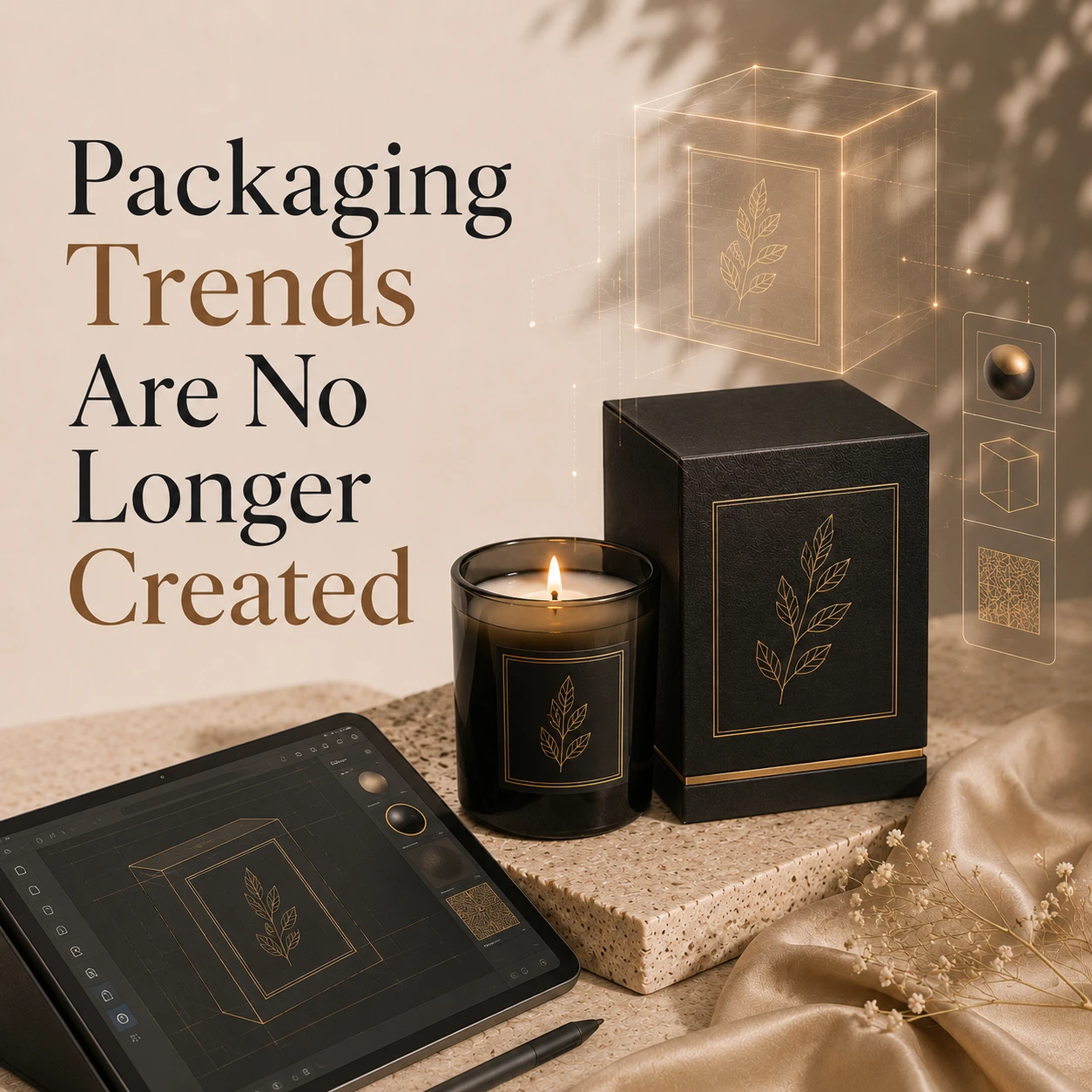
Packaging trends once came from design teams and large brand firms. They used skill, taste, and past work to guide each new box. That model has changed. Buyer data now shapes many choices. AI packaging trends can track small shifts before they become clear across the wider market. They help brands plan with less risk.
Packaging Becomes a Predictive System
Online shops also changed how people judge each pack. Buyers now react through clicks, reviews, sales, and return data. Packaging trend forecasting can read those signs fast. AI tools spot new color forms and claims early. Packaging is becoming a test-led system rather than a creative guess. This helps teams spend money on runs.
What Does It Mean for AI to Predict Trends?
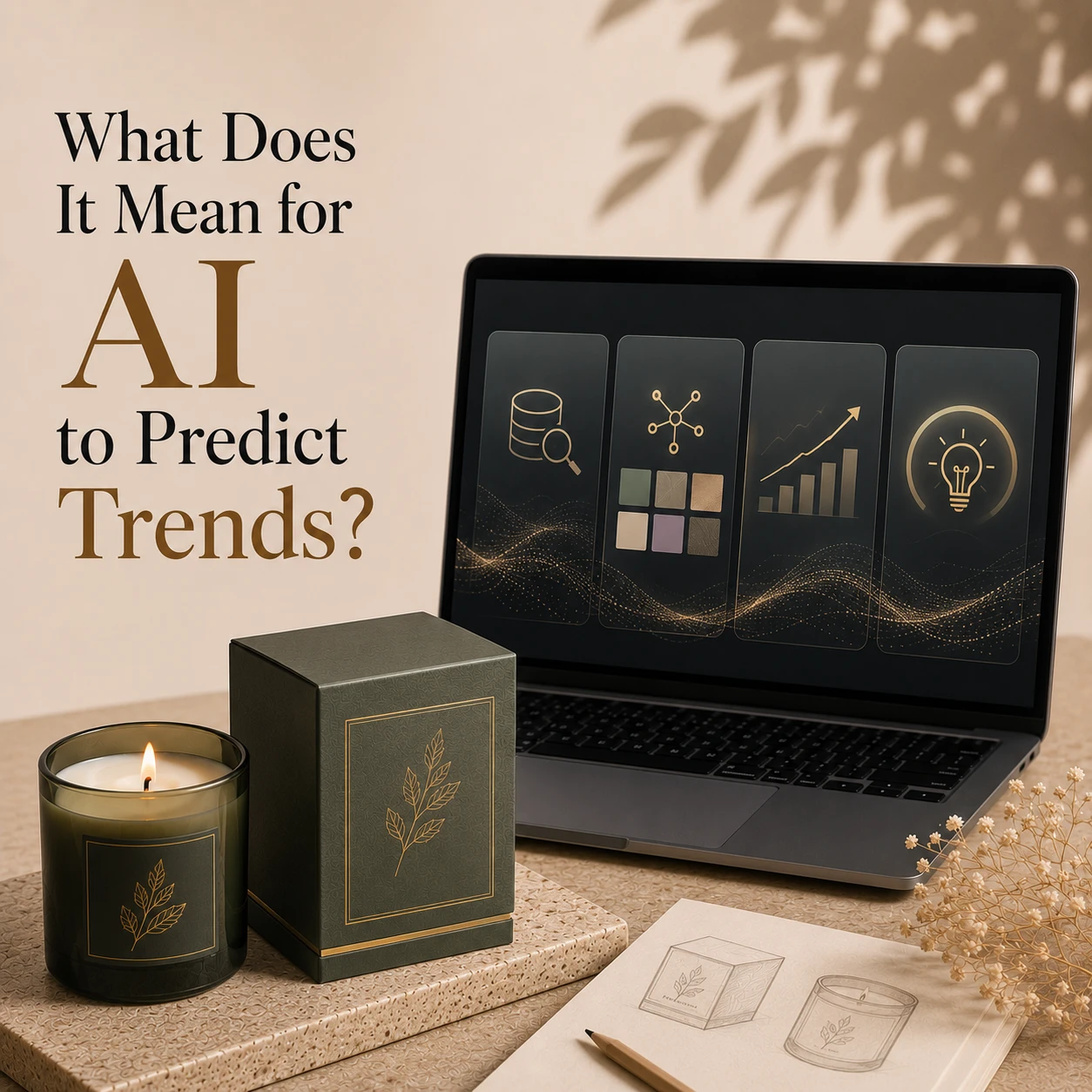
AI does not see the future or invent the next box. AI packaging design tools study repeated visual signs and buyer actions. They compare colors, shapes, labels, and layouts with sales results. This process shows which design choices often support stronger interest. It also reveals patterns that human teams may overlook during busy launch work.
Smart packaging analytics track clicks, reviews, sales, and buyer interest over time. The system checks how each signal grows, falls, or stays steady. It then builds a probability score for trend growth. That score shows likelihood rather than fact. AI gives teams a forecast. Human judgment decides whether the trend fits the brand and product.
What Data AI Uses to Predict Packaging Trends
Click and Purchase Data
AI studies clicks, views, cart adds, and sales. These acts show which packs attract care. Product packaging design AI compares visuals with buyer action. That gives teams facts instead of guesswork.
Store Conversion Data
Online shops reveal how often views become sales. AI links pack images with product conversion rates. Weak results may show poor color, unclear text, or low trust. Strong results reveal useful design signals.
Social Media Response
AI tracks likes, shares, saves, and comments on packaging images. It measures which styles gain interest. Fast praise alone means little. Long-term response gives a stronger market clue.
Color and Type Trends
Tools compare color, use font style, and text size across many products. packaging innovation AI finds which visual parts support more clicks and sales. This helps teams test ideas with less risk.
Industry Category Change
Beauty, food, and retail packs change at different speeds. AI studies each field alone. It finds early shifts in format claims and design. Real market signals shape the forecast.
How AI Converts Data Into Packaging Trends
Step 1: Collect Design Data
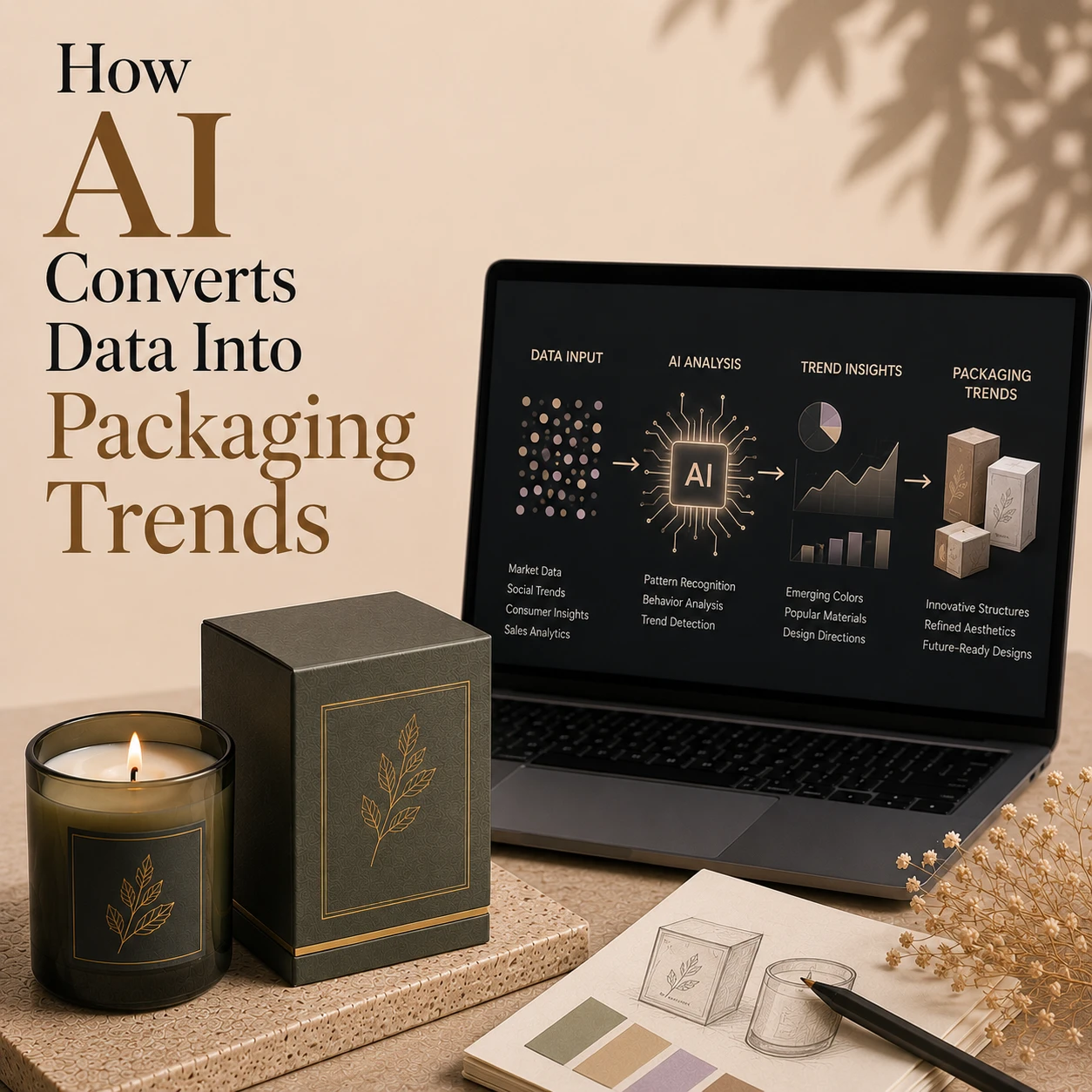
AI starts by gathering box images, sales results, clicks, and buyer reviews. The data may cover colors, shapes, labels, fonts, and pack sizes. Clean records give the system a sound base for further study to craft custom packaging.
Step 2: Find Strong Visual Patterns
The system compares each design part with market results. It finds which visual choices support more clicks, sales, or buyer interest. Predictive packaging design begins with these proven links.
Step 3: Group Similar Design Elements
AI places matching colors, fonts, layouts, and pack forms into groups. These groups reveal common styles across many products and markets. The process builds clear visual trend maps.
Step 4: Spot Rising Design Directions
The model tracks how each group changes over time. Fast growth may signal fresh buyer taste. Slow growth may show a short trend with little staying power.
Step 5: Forecast Future Pack Choices
AI ranks each design path through probability scores. Those scores help brands study likely packaging trends for 2026 before large print runs. The forecast guides early tests with less costly guesswork. It does not promise future sales.
Where AI Packaging Trends Are Most Accurate
Color Trends
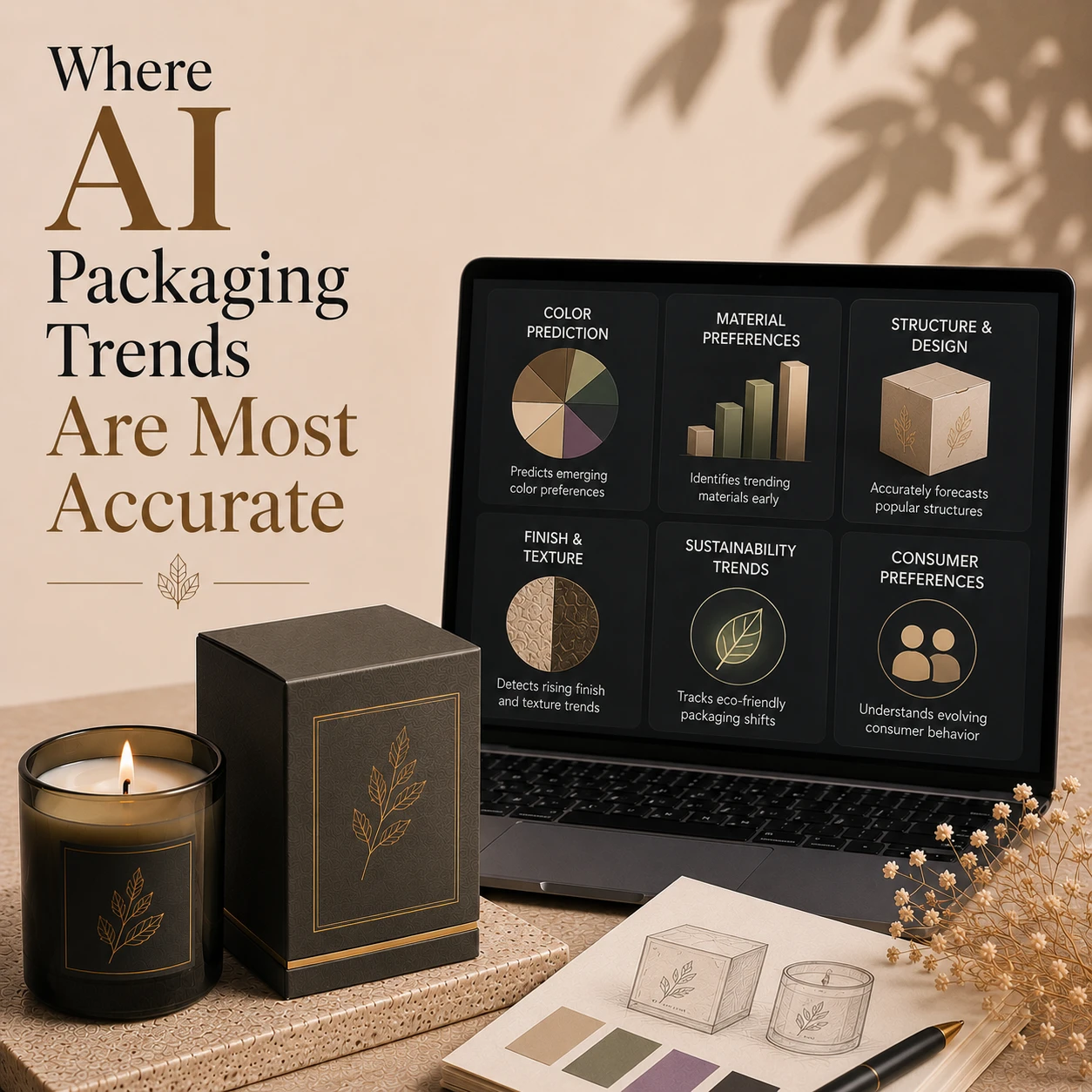
AI packaging trends work well when color use repeats across products. Systems track neutral shades and dark luxury colors. They compare each choice with click sales and buyer response. This helps teams spot rising color demand before shelves look alike.
Material Popularity
AI tracks how buyers react to Kraft matte and soft touch packs. It studies product views, reviews, and sales over time. Clear growth across several markets gives a stronger signal. Brands can then test materials before placing a large order.
Layout Changes
Simple layouts may rise after years of busy design. AI measures white space, text size, image use, and label order. It shows when buyers prefer calm packs or bold detail. This makes visual pattern forecasting useful during early design work.
Seasonal Buying Shifts
Holiday packs often follow repeat color, shape, and message patterns. AI compares past seasons with fresh buyer acts. It detects when old themes lose interest again. Teams can adjust seasonal packs early before demand peaks and print costs rise fast.
Online and Retail Choices
Online buyers judge product images within seconds. Store buyers can touch and compare packs nearby. AI studies both settings and finds needs. Custom packaging boxes need clear online views and a strong shelf impact. AI works best when visual signals repeat.
What AI Cannot Predict Accurately Yet
Product packaging design AI can study patterns, but cannot feel brand stories. It may miss cultural signs that change across places. Luxury also depends on mood, touch, and quiet detail. These parts often need skilled human taste. AI sees repeat actions. It does not understand why buyers feel deep trust.
New ideas can also break every past pattern. AI may reject bold work before buyers accept it. Packaging design trends 2026 may grow from risk rather than old data. Brand identity also changes through time, trust, and real purpose. Human teams must carefully guide that growth while AI supports research.
Why Designers Still Lead Packaging Strategy
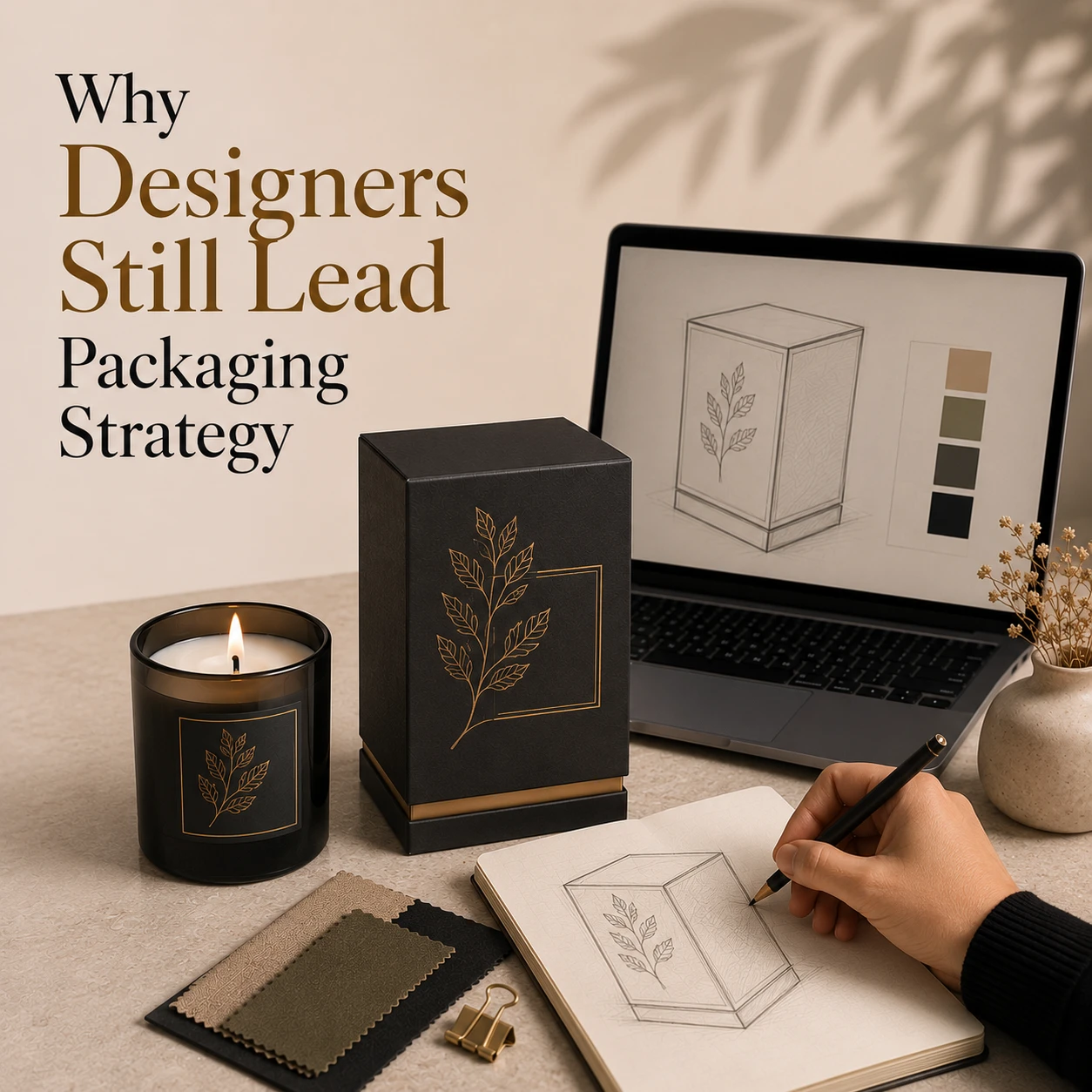
Designers Define Brand Meaning and Buyer Trust
Designers give brands a clear voice and lasting meaning. They read culture, mood, and buyer needs with care. This skill shapes colors, words, and pack form. Custom packaging boxes must feel right for each market. Data can support the choice. Yet people decide what the brand should say and why buyers should trust it across each product launch with care.
Human Skill Turns AI Output Into Strong Design
Creative leaps often begin with instinct rather than past results. Designers test bold ideas that data may ignore. Packaging design AI tools can offer drafts and useful signs. Those outputs still need edits, purpose, and sound direction. AI helps teams compare options and cut weak paths. Human skill makes the final call and keeps the brand real in real markets.
How AI + Humans Build Future Packaging Trends
Smart packaging solutions work best when data and human skill move together. Packaging innovation AI finds early patterns while designers check brand fit. Brands then test several ideas with real buyers. Each result improves the next forecast. This creates a steady process built around prediction, testing, refinement, and wider use.
AI finds rising design patterns early
Designers check brand fit and buyer meaning
Brands test several AI-based design paths
Buyer feedback improves each new forecast
Teams predict, test, refine, and scale results
Why Trend Prediction Matters for Brands
Trend prediction helps brands avoid weak launches and costly redesigns. Packaging trends 2026 can guide timing and buyer fit. Product packaging design AI can also reveal which visuals drive more online sales. Better forecasts help teams match customer needs and build lasting brand value. Prediction cannot remove every risk. It gives brands clearer choices before money reaches the print floor.
How Boxy Pack Fits Into This System
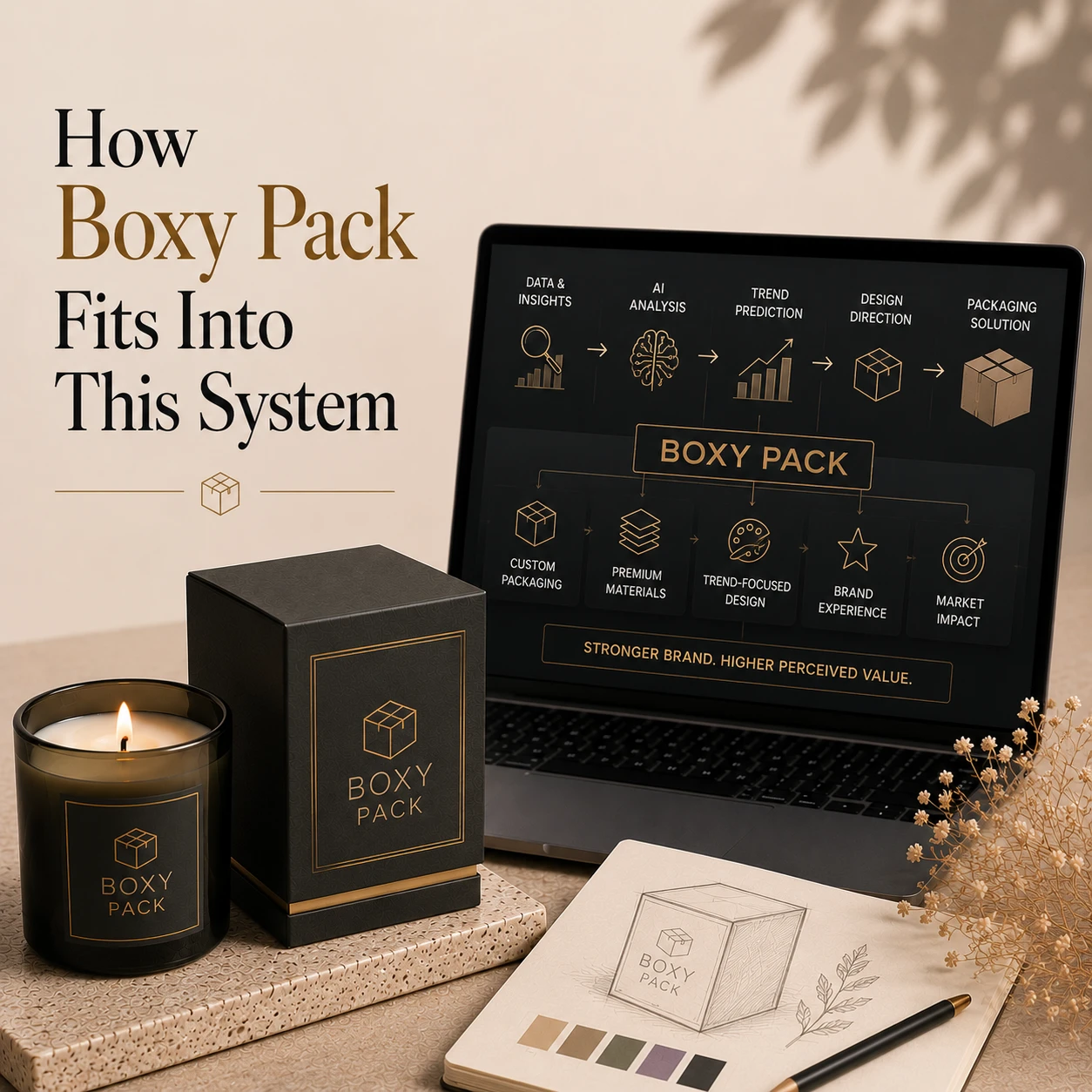
Turning Trend Data Into Design Ideas
Boxy Pack turns trend data into packaging ideas. AI packaging design tools study rising colors, shapes, and layouts. The system links those signs with brand goals. This gives teams a useful start without replacing human choice.
Creating Several Future Ready Directions
One design path can limit good thinking. Boxy Pack creates several future-ready options. Teams compare color type, form, and message. This helps brands spot stronger ideas before one weak route eats the budget.
Testing Packaging Before Large Print Runs
Brands can review each idea before production starts. Custom packaging boxes can be tested for fit and shelf use. Early tests reveal poor choices, while changes cost less. This reduces risk during the final print stage.
Moving From Data Into Faster Production
Boxy Pack shortens the path from data to design and production. Teams review feedback and refine options sooner. Clear choices reduce design doubt and speed approval. Find the trend. Test the idea. Improve the design. Then scale with care.
So, Can AI Really Predict Packaging Trends?
Yes, AI can predict likely patterns and market shifts through data. It cannot create deep meaning or emotional direction like skilled designers. AI works as a forecast tool rather than a creative replacement. The best results come from human and machine insight working together. AI predicts where packaging may move. Humans decide why that direction matters for buyers and brands.
Packaging Trends Are Becoming Data-Driven
This blog explored how AI studies market data and predicts likely packaging shifts. The main finding is clear. AI works best with patterns and buyer actions. It cannot replace human taste or brand meaning. AI packaging trends help teams test ideas and reduce poor choices. This makes packaging more measured and less dependent on guesswork.
Build Data-Driven Packaging with AI
Future packaging will use systems that learn from each test and launch. Brands can apply these findings to improve timing and lower design risk. Boxy Pack turns predictive insights into real concepts for review. Teams can discover trends and compare several design paths. They can then refine strong ideas before production. Use Boxy Pack to make faster choices and reduce launch risk.
Conclusion
This blog showed how artificial intelligence reads market signals and predicts likely packaging shifts. AI packaging trends can reveal useful patterns in colors, materials, layouts, and buyer actions. They help brands test ideas sooner and avoid weak design paths. Yet data cannot replace cultural insight, emotional meaning, or skilled human judgment. That balance keeps each forecast honest and useful.
The strongest results come when AI and designers work as one team. AI finds direction while people define purpose and brand value. This shared process reduces risk and speeds design choices before production. Boxy Pack can turn those insights into real concepts for testing. Future packaging will become more measured, adaptive, and useful. Brands move from insight to production with care.
FAQs
Can AI predict packaging trends?
AI packaging trends reveal likely shifts through sales clicks, reviews, and design data. They show useful direction, but cannot promise exactly what buyers will choose.
What data does AI use for packaging forecasts?
AI studies clicks, sales, product views, social response, color use, and buyer feedback. Clean data helps the system spot patterns that may keep growing later.
Can AI replace packaging designers?
No AI can replace designers. It can speed research and testing. Designers still define brand meaning, cultural fit, emotion, and final creative direction for brands.
How does Boxy Pack support packaging design?
Boxy Pack turns trend insight into design concepts. Brands can compare options, test ideas before print, and move toward production with less doubt and fewer delays.
What is the biggest limit of AI forecasting?
The biggest limit is emotion. AI sees repeated patterns but misses deep meaning, cultural context, bold instinct, and the personal reasons people trust certain packaging.
Ready to Get Started?
Discover our custom packaging solutions and bring your brand to life with premium boxes.