
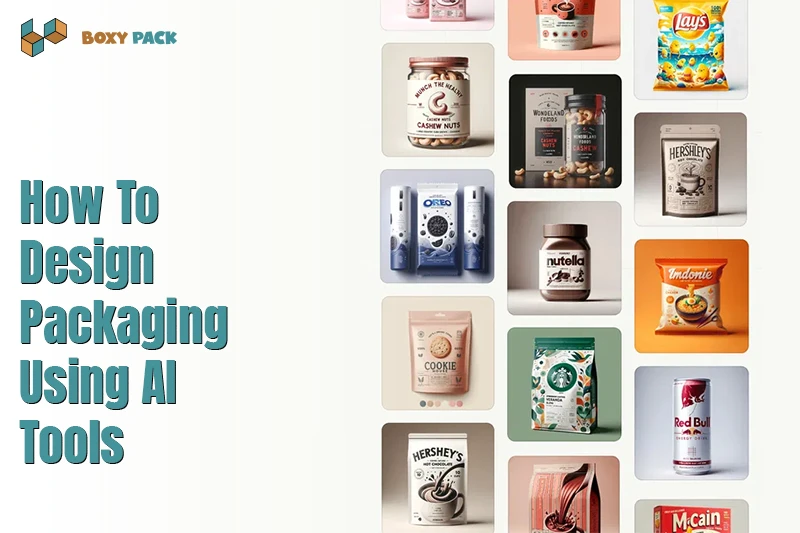
Why AI Is Changing the Way Packaging Is Created
Have you seen how fast new products show up in stores today? Brands have to move quickly and still look polished. I have worked with teams that felt stuck between speed and quality. Tight budgets and short timelines made the process stressful.
That is why many now ask how to design packaging using AI tools in a practical way. The demand for faster and more cost-friendly packaging design keeps growing every year. Many businesses are searching for a smarter way to handle this shift. Hemp oil boxes, That is where understanding how to design packaging using AI tools starts to make sense in real projects.
AI gives designers room to test more ideas without wasting time. It helps explore layouts, colors, and shapes in a simpler way. In this guide, you will explore practical AI tools for packaging work. We will go through the process in clear and simple steps. You will also understand the benefits and limits before moving from concept to print.
What Does AI Packaging Design Mean
Understanding AI’s Role in Creative Design
I often hear people think AI replaces designers. That is not the full picture. AI packaging design means using smart systems to support creative work. It helps generate layouts, suggest colors, and refine structure based on data. The designer still guides direction and brand voice. AI works as an assistant, not the decision maker.
AI-Assisted Versus Fully Automated Design
AI-assisted design keeps the human in control. The designer reviews and edits every suggestion. Fully automated design runs with minimal input. It produces results based on preset rules. Most brands prefer assisted systems for better creative control.
How AI Reads Trends And Data
AI scans large sets of market data quickly. It studies color patterns, layout styles, and branding signals. It compares what performs well across industries. This insight helps teams make smarter packaging choices with less guesswork.
Benefits of Using AI Tools for Packaging Design
Why Businesses Are Adopting AI
I have seen packaging projects that once took weeks now move in days. Teams feel less stress when early drafts appear quickly. Many now explore how to design packaging using AI tools to speed up concept stages. AI tools for packaging design allow brands to test ideas without long waiting periods. Faster concept rounds improve decision-making. Clear previews reduce confusion during planning. That is why more businesses are adding AI to their packaging design process.
Faster Design Turnaround
AI can generate instant concepts and visual mockups. Designers review several options in one session. Luxury candle boxes, This reduces back-and-forth cycles. Quick drafts help brands make decisions sooner.
Cost Efficiency
Fewer revisions lower design expenses. Teams do not need large departments for early-stage concepts. AI packaging design reduces wasted time and effort. Budget stays focused on refinement, not repetition.
Data Driven Creativity
AI studies trend data and performance signals. It suggests color palettes and layout styles based on real behavior. This blends creativity with insight instead of guesswork.
Scalability For Brands
Brands with multiple products need consistent variation. AI packaging workflow allows fast adaptation across sizes, flavors, and limited editions.
Types of AI Tools Used in Packaging Design
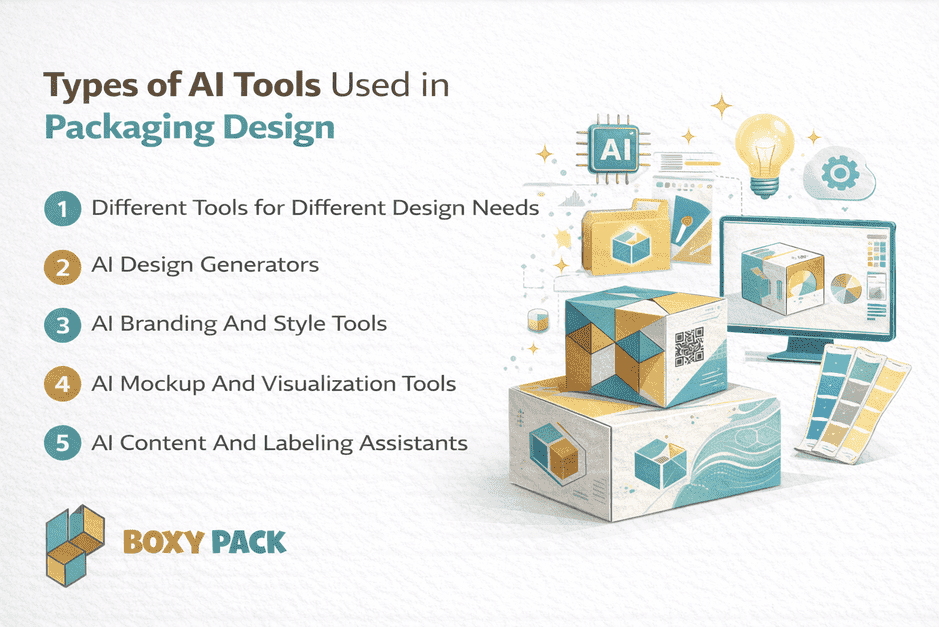
Different Tools for Different Design Needs
Not all AI tools serve the same purpose in packaging projects. I have tested several platforms across real product launches and brand updates. Some focus on visuals while others improve structure or text layout. Teams learning how to design packaging using AI tools quickly see that tool selection shapes results. Choosing the right mix supports a smoother AI packaging workflow. When each tool has a clear role, teams move faster with better control.
AI Design Generators
AI design generators produce layouts, labels, and surface visuals quickly. Designers enter product details and style direction first. The system returns several concept options within seconds. This helps teams compare AI-generated packaging concepts early. Quick drafts reduce delay and support creative exploration.
AI Branding And Style Tools
AI branding tools protect fonts, colors, and spacing rules. They study existing brand files and apply them consistently. This reduces design drift across product lines. Consistent output strengthens packaging design with artificial intelligence. Clear visual rules maintain brand identity across formats.
AI Mockup And Visualization Tools
AI mockup tools build realistic three-dimensional previews fast. Designers view boxes, bags, and bottles from angles. This improves evaluation before committing to print production. Realistic previews lower costly revision cycles later. Teams gain clearer approval decisions sooner.
AI Content And Labeling Assistants
AI labeling assistants organize ingredient text and compliance copy. They suggest clean placement and proper spacing automatically. This lowers formatting errors during packaging production stages. Clear structure improves readability for customers and printers. Accurate layout reduces the risk of regulatory issues.
Step-by-Step How to Design Packaging Using AI Tools
A Practical AI Packaging Workflow
I have followed this structure across multiple product launches. It reduces confusion and keeps teams aligned. How to design packaging using AI tools becomes easier when each step has a defined goal. This workflow balances speed with control. Each stage builds on the previous one.
Step 1: Define Packaging Goals
Start by defining the product type and the core audience clearly. Decide shelf placement or online display environment. Custom lip balm boxes, clear goals prevent wasted revisions later. Strong direction improves final packaging results.
Step 2: Choose The Right AI Tool
Select an AI tool that matches the design scope. Some focus on visuals while others support structure. Match tool features with project requirements. The correct choice improves efficiency and output quality.
Step 3: Input Brand And Product Data
Upload brand colors, fonts, and official logo files. Enter product details and positioning message accurately. Complete data improves system suggestions significantly. Accurate inputs lead to stronger concepts.
Step 4: Generate Design Concepts
Run the system to create multiple layout drafts. Review AI-generated packaging concepts side by side. Compare balance spacing and hierarchy carefully. Select promising directions for refinement.
Step 5: Customize And Refine
Adjust typography spacing and graphic elements manually. Combine human creativity with AI speed wisely. Refine the structure and visual clarity carefully. Fine-tuning strengthens overall presentation quality.
Step 6: Finalize For Print Or Production
Export artwork files in the correct print formats. Check bleed margins, resolution, and compliance text. Confirm dieline alignment before production approval. Final review prevents costly errors later.
AI vs Traditional Packaging Design
How They Compare
Both methods have strengths and limits. I have worked in teams that used only manual design. I have also tested AI-supported workflows. The difference is not about bigger or worse. It is about fit for purpose. Understanding both approaches helps brands choose wisely.
Speed And Efficiency
AI tools generate concepts within minutes. They reduce early-stage delays significantly. Many teams exploring how to design packaging using AI tools notice faster concept approval cycles. Traditional design usually requires longer drafting cycles. Manual revisions demand more coordination and feedback rounds. AI improves speed during early exploration phases. Traditional methods move more slowly but often allow deeper manual refinement and detailed control.
Creative Control
Traditional design offers full hands-on control. Every detail is shaped by the designer directly. AI-assisted systems provide suggestions based on inputs. Designers still guide direction and make final decisions. Control depends on how much automation is used.
Cost Considerations
AI can reduce early concept costs. Fewer drafts lower revision expenses. Traditional design may require larger teams for complex projects. Budget depends on project scope and timeline.
Best Use Cases For Each
AI works well for rapid concept testing. Traditional design suits highly detailed premium packaging projects. Many brands combine both for balanced results.
Limitations of AI in Packaging Design
What AI Still Can’t Replace
I have used AI systems across real packaging projects. They improve speed and idea generation. Still, they cannot replace human judgment. Specific areas require experience and intuition. Understanding these limits helps brands avoid costly mistakes and unrealistic expectations.
Lack Of Emotional Intuition
AI analyzes patterns but does not feel emotion. Custom tea boxes, It cannot fully sense cultural nuance or subtle brand tone. Emotional storytelling often shapes memorable packaging. That instinct still comes from human designers.
Print Specific Technical Knowledge
AI may suggest layouts that ignore production realities. Bleed margins, dieline accuracy, and ink behavior require hands-on expertise. Print preparation demands practical experience beyond software suggestions.
Regulatory And Material Constraints
Labeling rules vary by region and product type. Material performance also changes under storage and transit conditions. AI may overlook compliance details without proper input.
Importance Of Human Review
Final files need expert inspection before printing. Designers verify structure compliance and brand alignment carefully. Human oversight ensures packaging remains functionally accurate and market-ready.
Best Practices for Using AI in Packaging Design
Get the Best Results from AI Tools
I have learned that AI works best with structure and discipline. It is powerful but not perfect. Brands that treat it as a shortcut often face problems later. Clear review and planning protect quality. These practices help teams use AI wisely without losing control.
Always Review AI Outputs Manually
Never approve AI drafts without careful inspection. Check layout, balance, text accuracy, and spacing. Human review catches errors that software may miss.
Test Designs For Real World Printing
Digital previews do not show every production issue. Print small samples before full runs. This reveals color shifts, material feel, and structural limits.
Combine AI Speed With Human Creativity
Use AI for rapid concept generation. Refine ideas through human judgment and design experience. Creativity still needs personal direction and brand insight.
Keep Brand Guidelines Consistent
Upload correct brand assets from the start. Maintain font colors and tone across every variation. Consistency protects identity and long-term recognition.
Who Should Use AI Packaging Design Tools
Ideal Users
AI packaging tools are not limited to large corporations. I have seen small teams use them well, even with tight budgets. Many teams learning how to design packaging using AI tools start small and grow with experience. The key is setting a clear goal before beginning. These tools support different roles across business and design environments.
Startups And Small Businesses
Startups often face tight timelines and budget limits. AI helps them test packaging ideas quickly without large teams. Early-stage brands can explore structure and visuals before final investment.
E-Commerce Brands
Online sellers depend heavily on visual impact. AI supports rapid mockups for product images and thumbnails. This improves presentation before launching new items.
Packaging Designers
Designers use AI to speed up early concept drafts. It reduces repetitive layout tasks. This allows more time for refinement and creative direction.
Marketing Teams
Marketing teams can test seasonal packaging variations quickly. AI tools help align visuals with campaign themes. This keeps brand presentation consistent.
Product Manufacturers
Manufacturers benefit from faster structural previews. AI helps evaluate packaging adjustments before production changes. This reduces trial and material waste.
Advanced Strategy for Future Ready Packaging Design
Brands that think ahead gain long-term advantage. I have seen businesses grow faster when they treat packaging as a strategy, not decoration. AI tools support planning, but direction still matters. Soap boxes industry A strong system connects data, creativity, and production discipline. The points below strengthen your long-term packaging position and improve topical depth across your brand content.
Audit competitor packaging styles before starting new concepts
Test multiple AI-generated packaging concepts before final approval
Track how packaging boosts sales through conversion data
Compare innovative packaging materials for durability and cost
Review compliance text accuracy before every print cycle
Document AI packaging workflow steps for team consistency
Conclusion
This guide aims to explain how to design packaging using AI tools in a practical way. We explored AI packaging design tools, workflow benefits, and limits. The key finding is clear. AI improves speed, idea testing, and early-stage efficiency. Boxy Pack It helps teams generate concepts faster and reduce repetitive work. Still, packaging design with artificial intelligence works best with human guidance and review.
The real value appears when AI supports creative judgment, not replaces it. Designers must check print rules, brand tone, and material choices carefully. Smart use protects quality and reduces risk. Businesses that apply AI strategically gain flexibility and control. Using AI tools for packaging design can save time, reduce costs, and spark creativity when paired with smart human decision-making.
FAQs
Q1 Can AI fully replace packaging designers?
No AI can fully replace designers. Teams learning how to design packaging using AI tools still rely on human judgment. AI supports speed and idea generation. Final decisions require creative direction and review.
Q2 Are AI packaging designs print-ready?
AI drafts are rarely ready for direct print. Files often need manual checks for bleed margins resolution and dieline accuracy. Human review remains necessary.
Q3 Is AI packaging design expensive?
Cost depends on the tool and project scope. Many platforms offer flexible plans. Early-stage savings often balance subscription fees.
Q4 Can AI tools maintain brand consistency?
Yes, when the correct brand assets are uploaded. Fonts, colors, and logo rules guide the system. Designers still verify alignment before approval.
Q5 Are AI-generated designs unique?
AI produces variations based on input data. Uniqueness improves when prompts and directions are specific. Human refinement adds originality.
Q6 Is AI packaging suitable for custom boxes and bags?
Yes, AI supports structure previews and layout drafts. Production still requires technical validation and material testing.
Author
Packaging and branding consultant focused on how to design packaging using AI tools in real business settings. Works with startups and product brands to combine automation with practical design expertise for scalable and production-ready packaging systems.
Ready to Get Started?
Discover our custom packaging solutions and bring your brand to life with premium boxes.