
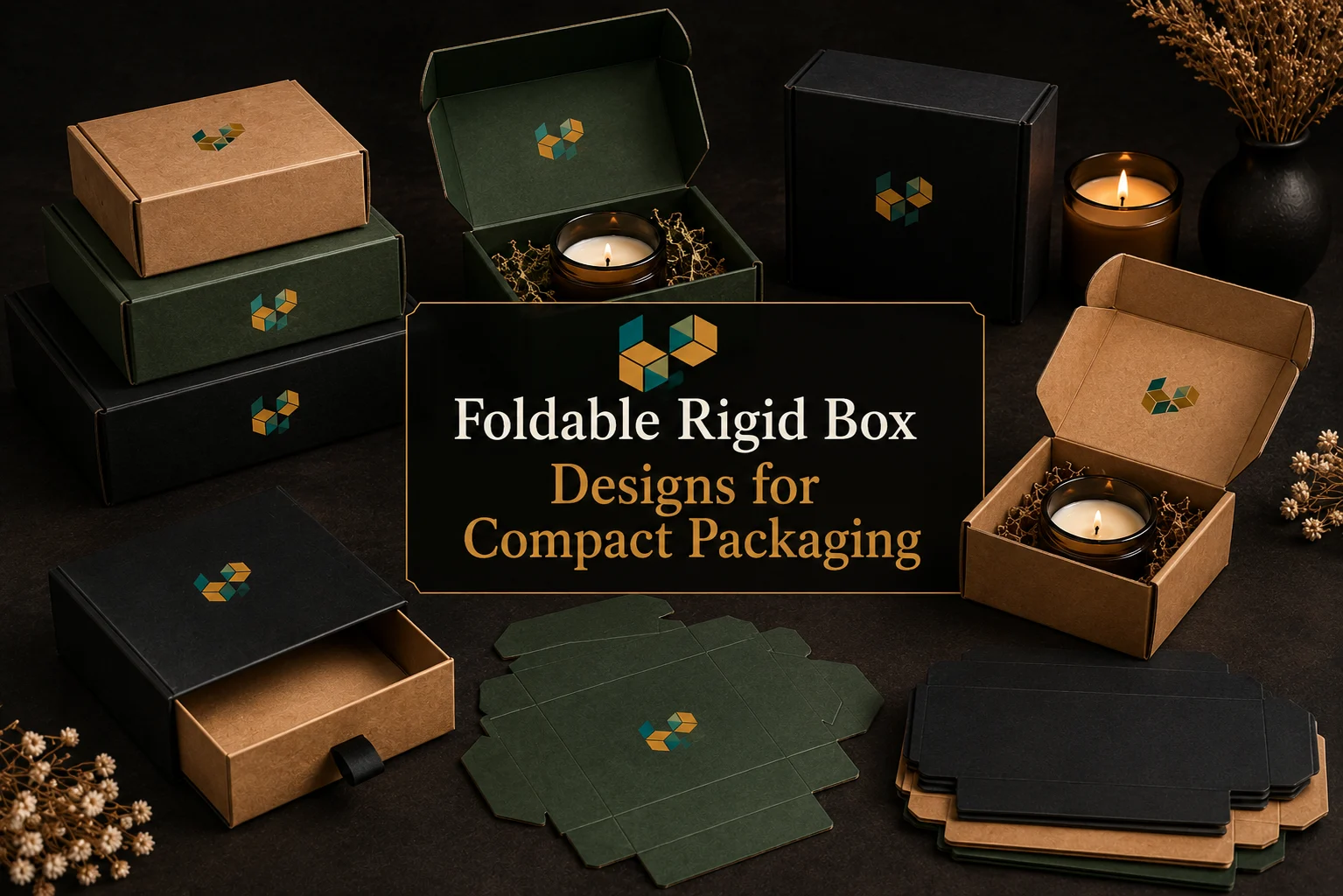
Rigid boxes look premium, but they can consume valuable warehouse space. That becomes costly when brands order large volumes for seasonal sales. A foldable rigid box solves much of that storage problem. It uses rigid board with folding joints that collapse before use. The box still delivers the firm feel buyers expect. Foldable rigid boxes also support refined printing and fitted inserts. They suit brands that need strong presentation with less storage pressure.
Folding rigid packaging still needs careful planning before production starts. Box size affects strength and product fit. Materials affect folding life and surface quality. Closures affect setup and customer use. Inserts affect protection and presentation. This guide explains structures and materials. It also covers storage benefits and finishes. You will also learn about testing and ordering.
What Makes Foldable Rigid Boxes Different From Others
A foldable rigid box uses firm board panels with planned folding points. Those joints let the structure collapse for storage. Assembly turns the flat form into a firm presentation box.
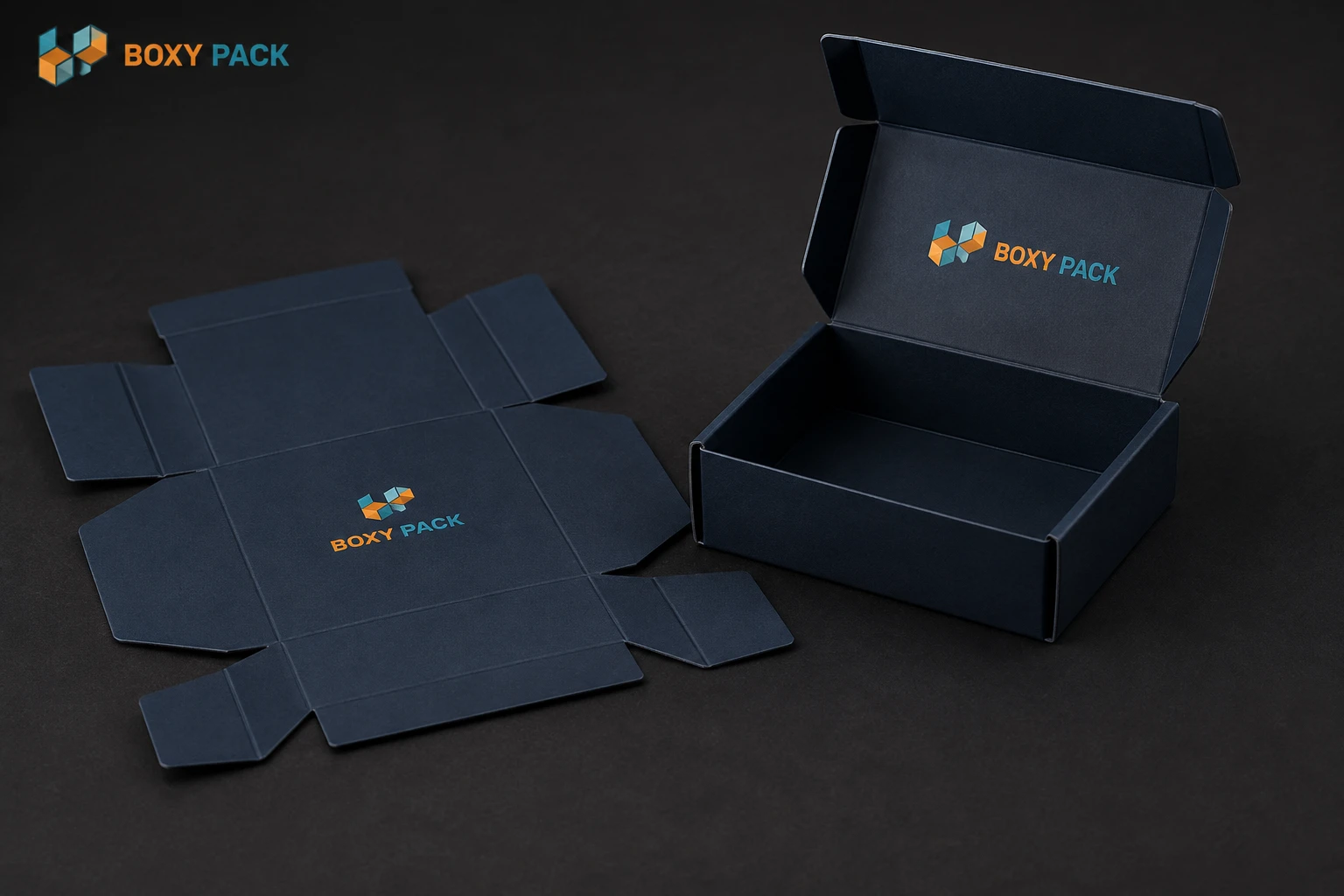
This differs from a folding carton. Cartons usually use thinner paperboard and flexible walls. Rigid board packaging uses thicker board for stronger shape retention. The foldable format keeps that premium feel while reducing stored volume.
Foldable Rigid Box Styles for Different Products
Different structures serve different products and opening needs. Each style changes presentation and access. The best choice also depends on storage and packing work.
Foldable Two Piece Boxes for Classic Presentation
This style uses a separate lid and base. It gives gifts and retail products a familiar premium look. Brands can add inserts when extra product control is needed.
Magnetic Foldable Boxes for Premium Opening Experiences
Magnetic foldable boxes use hidden magnets near the closing edge. The magnets help the box stay shut after setup. Accurate magnet placement matters for smooth closing.
Foldable Drawer Boxes for Small Premium Products
Drawer boxes use an outer sleeve with an inner tray. The structure suits jewelry and small accessories. Good tray sizing prevents the product from shifting inside.
Book Style Foldable Boxes for Brand Storytelling
Book style boxes open through a hinged panel. The inner surface can carry product details or printed brand content. It suits premium kits and products with supporting information.
Foldable Gift Boxes for High-End Presentation
Foldable custom candle boxes suit seasonal campaigns and premium gifting. They store more efficiently before packing begins. Inserts can hold products in a clean layout.
Collapsible Multi-Product Boxes for Gift Sets
Larger collapsible boxes can hold several products in one presentation. Dividers or inserts keep each item separated. The collapsed structure reduces space before assembly.
How Foldable Construction Helps Reduce Storage Needs
Collapsible packaging lowers the volume needed before each box is assembled. That can improve inventory handling across several areas.
Less warehouse space is needed before setup
Seasonal stock occupies less room
Unassembled boxes are easier to stack
Small packing areas remain less crowded
Wholesale shipments may use space more efficiently
The exact saving depends on box size and folding design. Order volume also matters. Some structures collapse more completely than others. Assembly space should still be planned near the packing line.
Practical Benefits of Choosing Foldable Rigid Boxes
Foldable rigid packaging offers more than a premium look. It can support storage and handling needs. It can also add lasting value after purchase.

Lower Storage Pressure for Growing Packaging Inventories
Flat or collapsed boxes take less room before use. This can help brands hold larger packaging quantities. candle subscription boxes can also benefit from compact storage when brands need to keep packaging stock for regular orders.
Premium Presentation Without Fully Assembled Storage
The assembled box still feels firm and structured. The premium result does not require permanent box setup during storage.
Easier Handling Across Fulfillment and Distribution
Compact packaging can simplify movement before the packing stage. Teams can stack and transfer boxes more easily.
Reusable Structures That Extend Packaging Value
Some foldable boxes remain useful after the product is removed. Reuse depends on board strength and folding durability. custom wax melt boxes can also use foldable structures when brands need compact packaging with a tailored fit.
What Materials Work Best for Foldable Rigid Boxes
Greyboard or chipboard often forms the main rigid structure. Thickness affects strength and overall weight. Outer wraps can use coated paper or kraft cake boxes paper where a simple natural look is preferred. Specialty paper can create texture or a refined surface. Material near folding joints needs special care. Poor choices can crack or wrinkle after repeated movement.
How Foldable Rigid Boxes Are Built for Repeated Assembly
Foldable box construction depends on controlled joints between rigid panels. Folding lines must move without weakening the final shape.Some designs use magnets or adhesive tabs. Weak joints can cause loose corners. Poor wrapping can also split near folds. Physical testing should happen before larger production.
How Custom Foldable Rigid Boxes Are Produced
Production starts with the product and final packing process. Each stage affects the next. Structural choices should be confirmed before print work begins.
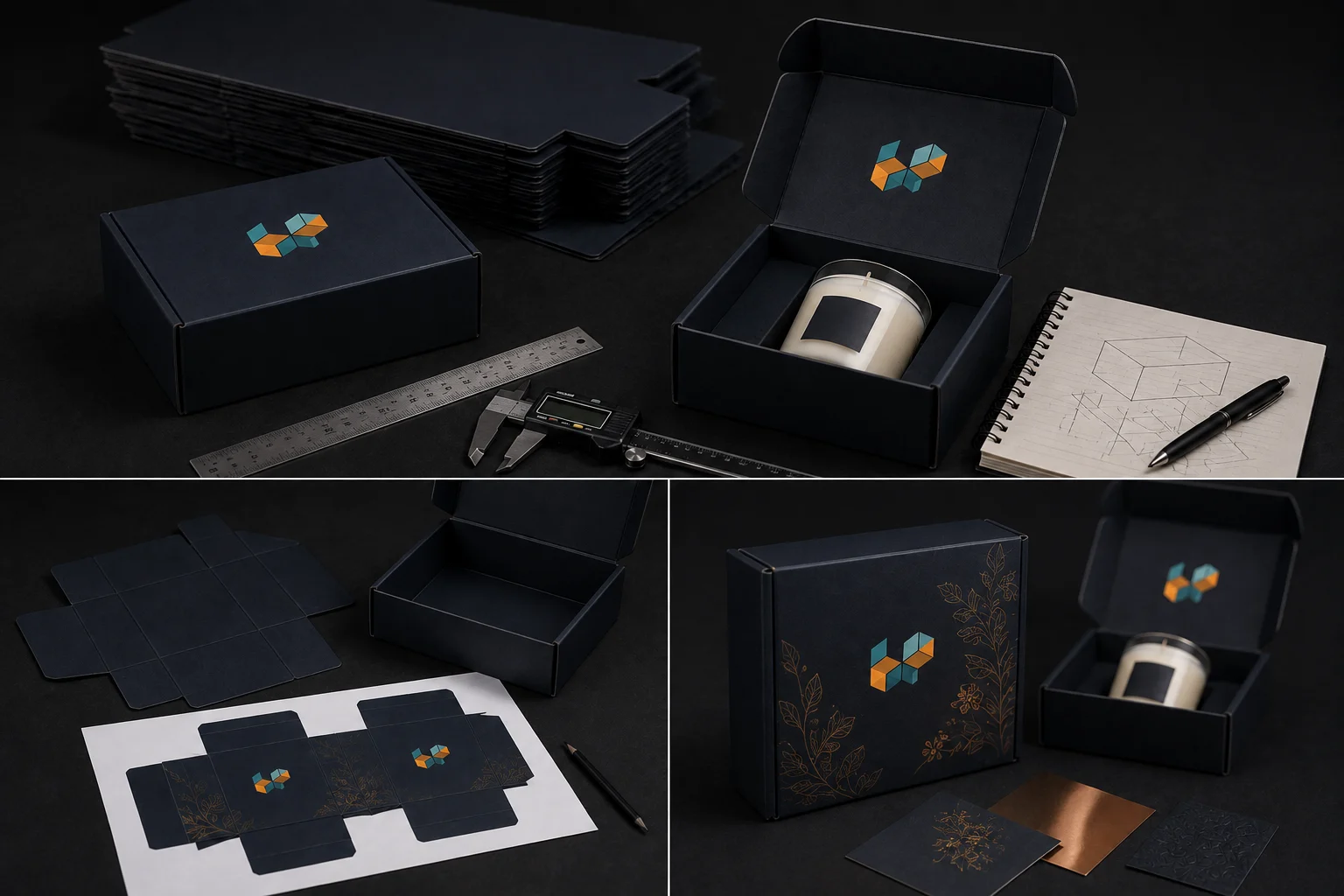
Confirm Product Dimensions and Folding Requirements
Measure product length and width. Measure height and weight. Check fragile areas and insert needs. Also define the required collapsed size.
Develop the Foldable Structure and Packaging Artwork
The supplier plans board panels and folding points. Artwork then follows the final dieline.
Apply Printing and Custom Finishing Details
Printed wraps can include foil or raised details. Finishes must not block folding or damage moving areas.
Assemble and Test the Finished Packaging Structure
Samples should be opened and folded several times. Check corners and closure alignment. Confirm product fit.
Matching Foldable Boxes With Different Product Categories
Foldable rigid packaging can suit many premium products.
Jewelry and watches need stable fitted inserts
Cosmetics often benefit from compact trays
Perfume boxes need firm product control
Electronics need protection around delicate parts
Apparel can use wider shallow structures
Gift sets need clear product separation
Subscription products benefit from repeatable packing
Promotional kits need organized multi-item layouts
Not every product needs rigid packaging. Lightweight goods may work well in simpler cartons. candle boxes inserts can also help keep candle products stable during packing and delivery.
Designing the Opening Experience Without Losing Function
Opening design can change how premium a product feels. Magnetic closures can create a clean reveal. Hinged panels support book-style opening. Drawer systems can slow product access in a deliberate way.
Packing teams need a clear setup process. Customers need easy access. Misaligned magnets or stiff folds can reduce the quality of the experience.
Foldable Rigid Boxes Versus Standard Rigid Packaging
Factor | Foldable Rigid Boxes | Standard Rigid Boxes |
Storage | More space efficient | Requires more room |
Shipping before use | Compact | Larger volume |
Assembly | Requires setup | Usually ready |
Appearance | Premium | Premium |
Reuse | Often possible | Often possible |
Protection | Strong when designed well | Strong |
Best use | Space-aware premium brands | Ready-to-use packaging |
Foldable boxes suit brands that value compact storage. Standard rigid boxes suit operations that want immediate use.
Pros and Cons of Using Foldable Rigid Packaging
They also need more structural planning than simple cartons.
Pros
Reduced storage footprint
Compact transport before assembly
Premium rigid appearance
Flexible print and finish choices
Possible reuse after purchase
Useful for seasonal packaging
Cons
Assembly is required
Folding points need careful engineering
Weak joints can reduce durability
Complex closures can raise production cost
Repeated folding may wear some surfaces
Brands should compare those gains against setup time.
How to Choose the Right Foldable Box Size and Structure
Start with the product instead of the box style. Measure every side. Check product weight and fragile points. Allow space for inserts without creating large empty gaps.
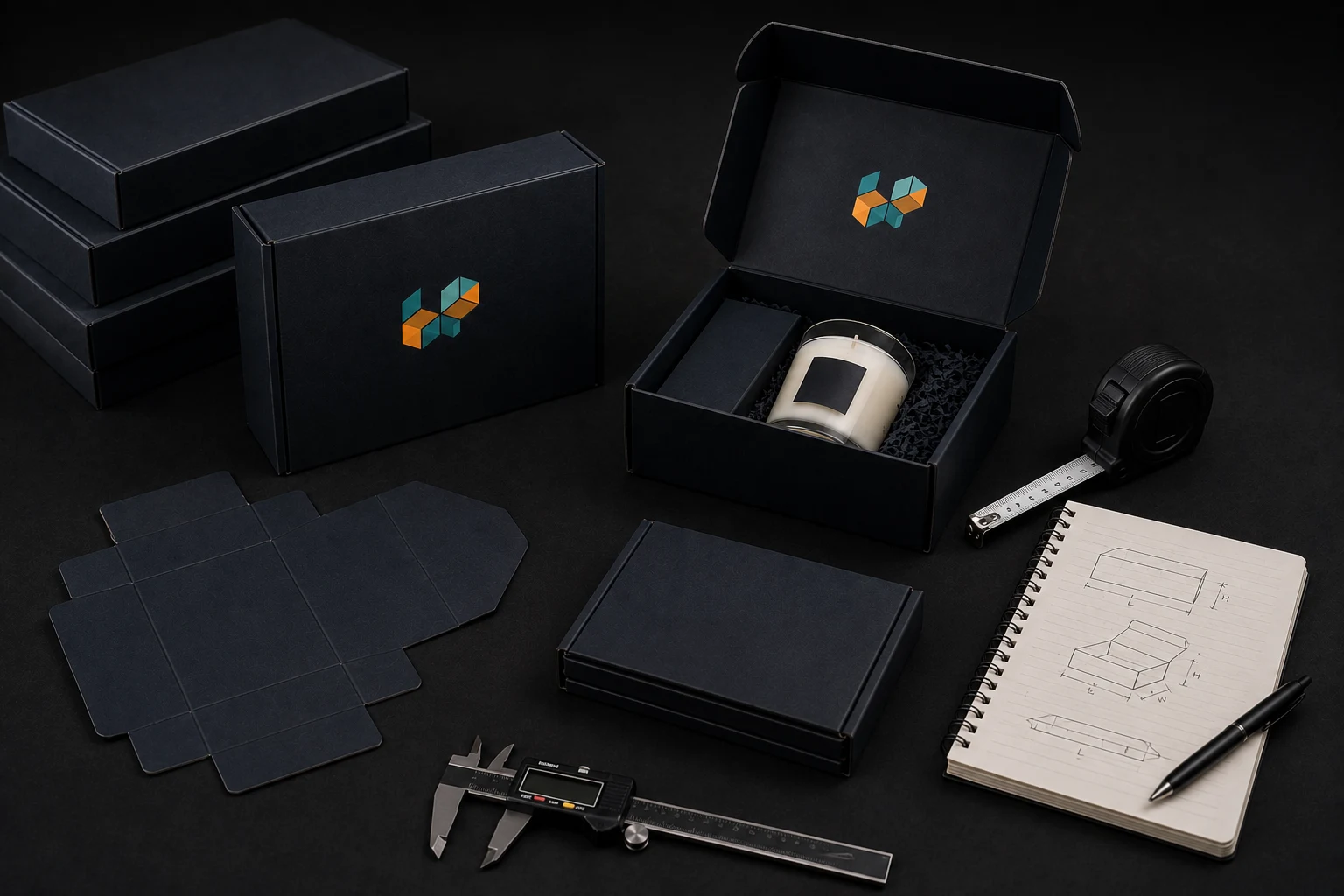
Also measure the collapsed package. That figure affects storage and inbound shipping. A good structure should fit both product needs and warehouse needs.
Which Custom Finishes Suit Premium Foldable Packaging
Finishes can add brand detail without changing the base structure.
Foil stamping adds metallic detail
Embossing raises selected surface elements
Debossing presses details inward
Matte lamination reduces surface shine
Soft touch coatings change hand feel
Textured paper adds material character
Metallic paper adds reflective effects
Spot UV adds selective gloss
Too many finishes can complicate production. Test the finished sample before approving production.
How Testing Prevents Foldable Box Problems Before Production
A physical sample shows issues that artwork cannot reveal. Repeated assembly can expose weak corners or stiff joints.
Check magnet alignment and product fit. Test insert stability and closure strength. Review the box after several folding cycles. Samples should look consistent in both flat and assembled states.
How Businesses Can Order Foldable Rigid Boxes Efficiently
Prepare clear specifications before requesting quotes. Include product size and order quantity. List board preferences and insert needs. Provide artwork and finish requirements.
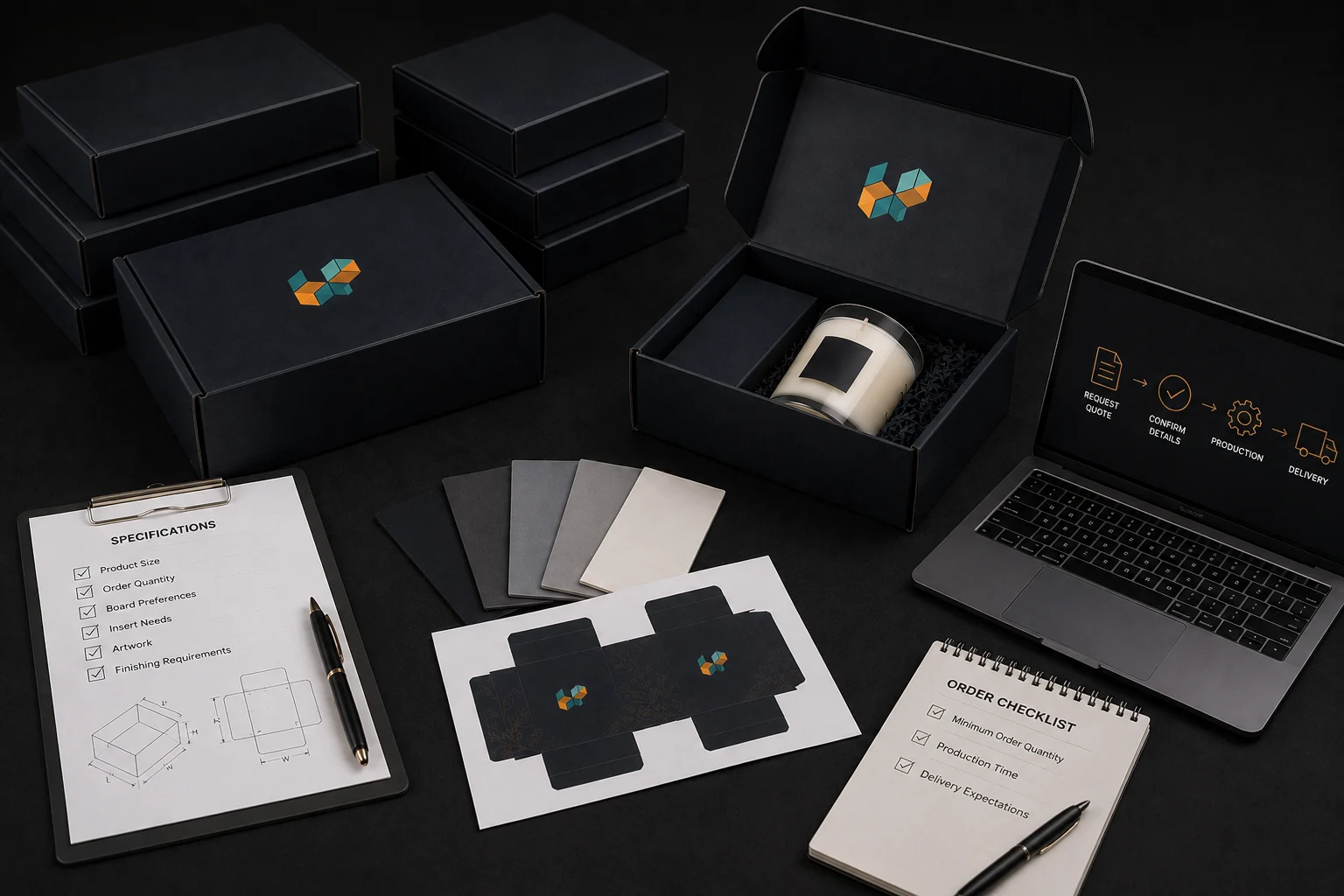
Wholesale buyers should also confirm minimum order quantities. Ask about production timing and delivery expectations. Compare suppliers using the same specifications.
Common Foldable Rigid Packaging Mistakes to Avoid
One mistake is choosing a structure before measuring the product. Weak materials can also shorten box life. Overloaded finishing can interfere with moving areas. Poor magnet placement can make closure feel uneven. Skipping physical samples creates extra risk.
Conclusion
A foldable rigid box combines premium presentation with more efficient storage. The best design starts with product size and packing needs. Boxy Pack focuses on board strength and folding performance next. Closures and inserts should support easy use. Finishes should follow the structure rather than compete with it.
Businesses should test samples before larger production begins. That step can reveal fit and folding problems early. It can also confirm closure quality and surface durability. Clear samples also help teams confirm handling before final packaging orders are placed. Custom foldable rigid boxes work best when design and operations support each other. Contact Us for help selecting structure and materials. You can also review insert and finishing options before production.
FAQs About Foldable Rigid Box Design and Storage
Businesses often ask about strength and reuse before choosing collapsible packaging. Storage and assembly also shape the final decision. These answers cover common planning concerns.
How does a foldable rigid box save more storage space than standard rigid packaging?
A foldable rigid box collapses before use. This reduces stored volume before assembly. Brands can manage packaging stock within smaller warehouse or fulfillment areas efficiently.
Which products are best suited to collapsible rigid packaging?
Jewelry, cosmetics, fragrances, electronics, apparel, and gift sets can suit this format when presentation matters. Product weight and fragility should guide the final structure choice.
Are foldable rigid boxes durable enough for premium products?
Yes, when board thickness joints, wraps, and closures are well designed. Durability still depends on product weight, handling frequency, and the quality of production materials.
Can foldable rigid boxes include magnetic closures and custom inserts?
Yes. Magnetic closures and fitted inserts can be added when the structure supports them. Their position should be tested before full production begins for reliability.
Are foldable rigid boxes practical for wholesale packaging orders?
They can be practical for wholesale orders because collapsed storage reduces space. Buyers should still compare setup time, pricing, minimum quantities, and assembly needs carefully.
Ready to Get Started?
Discover our custom packaging solutions and bring your brand to life with premium boxes.