
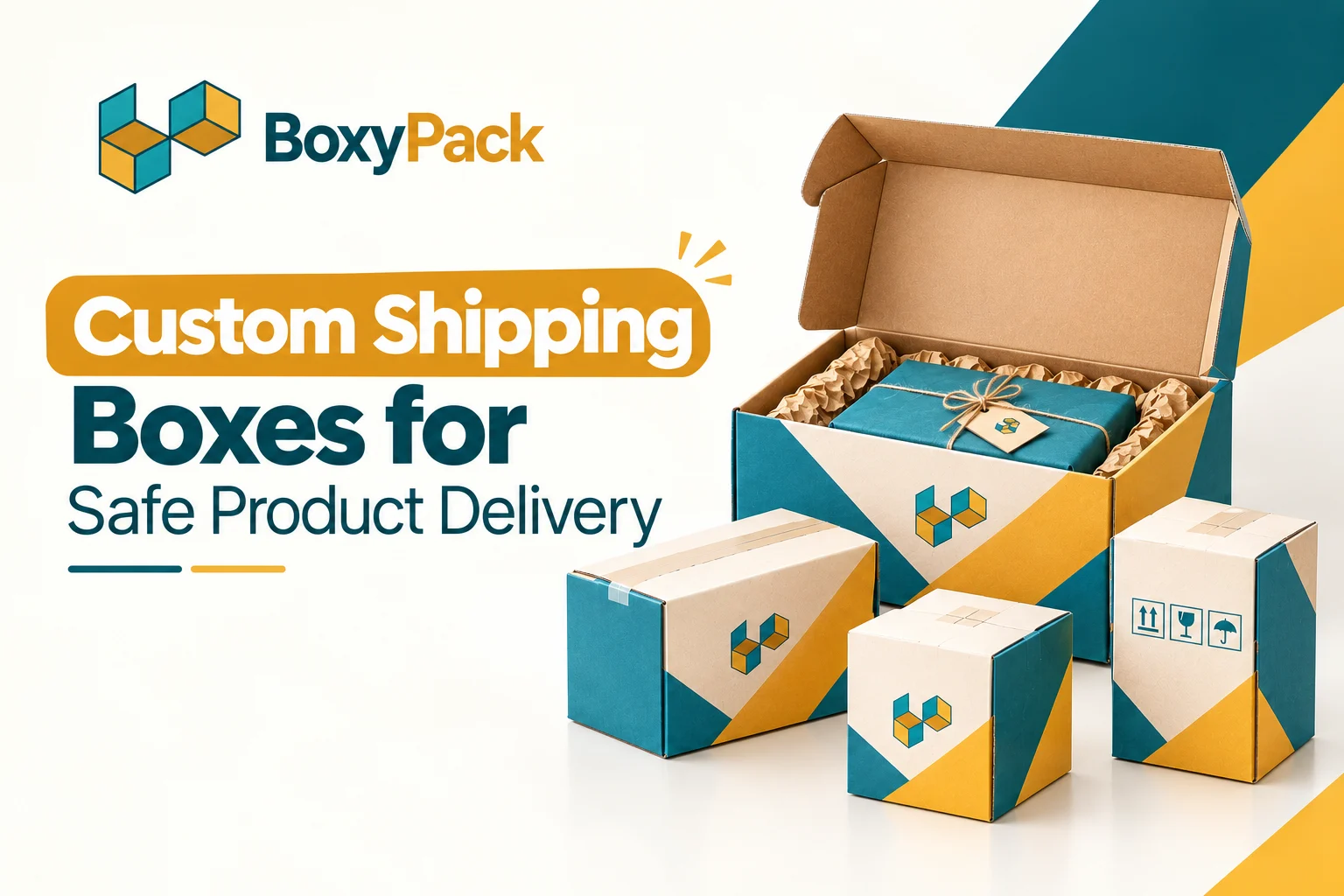
A product can be well made and still arrive damaged, crushed, or poorly presented. In many cases, the problem is not the product but the box it traveled in. Custom shipping boxes are designed around the item inside, so they hold up better to the rough reality of transit than a generic carton does.
Between the warehouse and the doorstep, a package is handled many times, stacked, jostled, and sometimes exposed to moisture. Shipping packaging has to survive all of that, and it is also the first physical thing a customer sees from your brand. Choosing the right box involves more than picking an attractive design. This article walks through materials, box size, protection, branding, sustainability, durability, cost factors, and ordering, starting with what makes a shipping box genuinely suitable for delivery.
What Makes Custom Shipping Boxes Different Today
Custom shipping boxes are built to the specifications of a particular product instead of being picked from a set of standard sizes. A generic carton is made to suit many items acceptably, while a custom box is tailored to fit one item well. That difference shows up in how the product sits inside, how much protective material it needs, and how the package looks when it arrives.
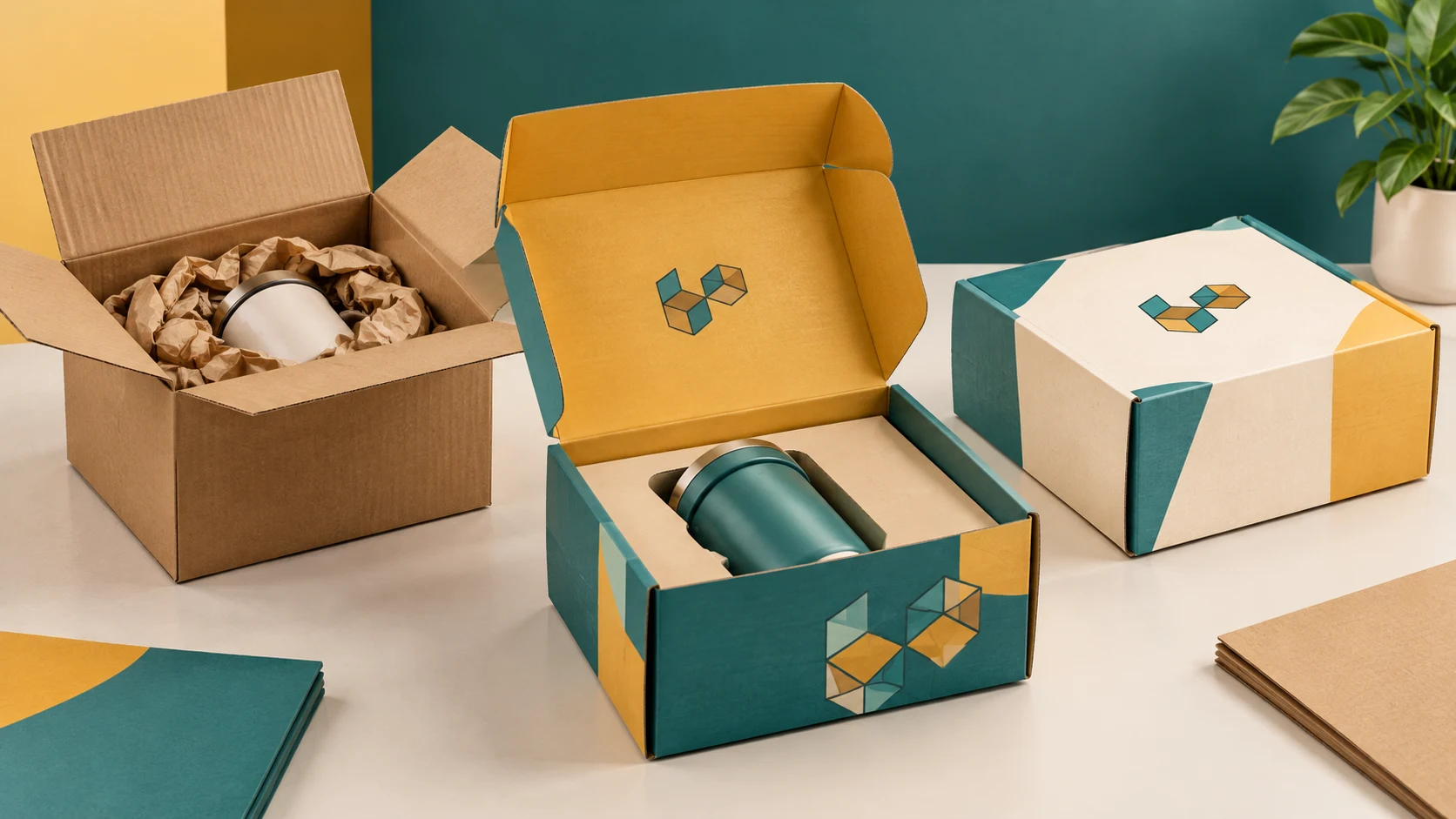
Customization touches several parts of the box. Dimensions can be matched to the product so there is less empty space, which reduces movement during transit. Structure and board strength can be chosen to match the weight and fragility of the contents. Printing and branding turn a plain carton into part of the customer experience. Businesses that want a packaging partner to handle these decisions together can look at custom shipping packaging built around their own products.
The practical value is a closer link between protection and presentation. A box that fits well protects better and looks more professional, and a box that carries a brand clearly helps the delivery feel intentional. For businesses shipping regularly, particularly ecommerce brands, customization is a way to make each package do more than simply contain a product.
How to Plan Custom Shipping Boxes Correctly
Good planning prevents most packaging problems before they start. Before you contact a supplier, gather the facts about your product and how it will travel. Knowing the dimensions, weight, and shipping conditions makes it much easier to specify the right box. The two steps below cover the foundation of any shipping-box specification.
Start With Product Dimensions and Shipping Conditions
Measure the product's length, width, and height, and note its weight, shape, and fragility. Think about whether packages will be stacked and what the shipping environment will be like, including distance, handling, and exposure to moisture. Accurate measurements are the starting point for choosing custom box sizes, because every other decision depends on getting the fit right.
Match Protection With the Product's Risk Level
Different products carry different risks. Fragile items may need cushioning and inserts, heavy items need stronger construction and thicker board, and irregular shapes may need custom-fit supports. Lightweight, durable products can often use simpler protection. Matching the level of protection to the product's actual risk keeps protective shipping boxes effective without adding unnecessary material.
Choosing Materials for Stronger Shipping Protection
Material is the core of durable shipping packaging. Corrugated board is the standard for shipping because its fluted inner layer adds strength and cushioning while keeping weight reasonable. Boxes made from corrugated shipping box materials are widely used for everything from lightweight e-commerce orders to heavier goods, since the board can be specified in different strengths.
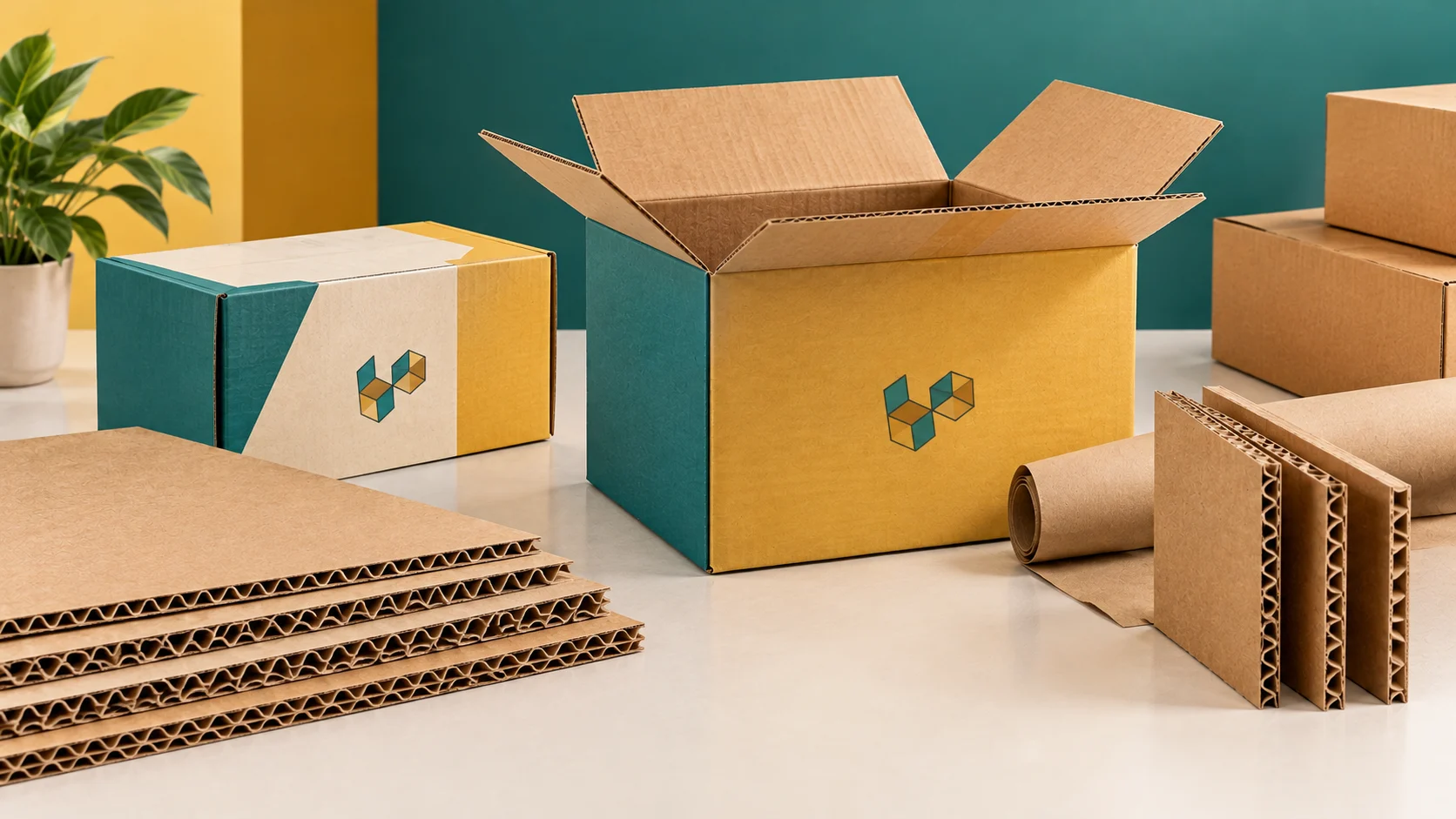
Shipping box materials differ in how they handle weight, stacking pressure, and moisture, so the choice should reflect real conditions. A box that will be stacked in a warehouse needs enough compression strength to stay upright, while one traveling long distances needs to resist repeated handling. Weight matters too, because heavier packaging can raise shipping costs. For heavy-duty shipping boxes, thicker or multi-wall construction offers more resistance but adds material, so it should be used where the product genuinely needs it.
These are the key material considerations to review before choosing:
Board strength: Match the board grade and wall construction to the product's weight and the stacking it will face.
Thickness: Thicker board resists crushing but adds weight and material use.
Moisture resistance: Coatings or treatments can help in humid or wet conditions, though they may affect recyclability.
Print surface: The board's finish affects how clearly logos and graphics reproduce.
Recyclability: Prefer materials and coatings that are easy for customers to recycle.
Package weight: Lighter packaging can help control shipping costs without sacrificing protection.
Corrugated Boxes Versus Other Shipping Options
Shipping packaging comes in several formats, and each suits different products. Corrugated boxes are the most common, mailer formats are popular for ecommerce, and heavy-duty options handle demanding shipments. Comparing them side by side makes it easier to see which fits your products and shipping conditions, whether you are considering custom corrugated shipping boxes, custom mailer boxes, or standard cartons.
Packaging Type | Protection | Best Use | Branding Potential | Key Consideration |
Corrugated shipping boxes | Strong | General shipping and heavier products | High | Strength and board selection |
Custom mailer boxes | Moderate to strong | Ecommerce and subscription products | High | Structure and product fit |
Heavy-duty shipping boxes | Very strong | Heavy or fragile products | Moderate to high | Added material and structural strength |
Standard shipping cartons | Basic to moderate | General-purpose shipments | Limited | Less customization |
Corrugated boxes remain the most flexible choice because the board can be adjusted for strength and the exterior can carry printing. Mailers are well suited to e-commerce shipping boxes for lighter items, particularly when the unboxing experience matters. Heavy-duty options make sense when weight or fragility raises the risk. Standard cartons work for general shipments but offer less opportunity to fit the product or carry a brand message.
How Branded Shipping Boxes Build Recognition
A shipping box is often the only physical contact a customer has with a brand before opening the product. Branded shipping boxes use that moment to build recognition. The details below show how to add branding without compromising the box's job. Each one is practical and can be applied whether you ship a few orders or thousands.
Place the Logo Where It Gets Noticed
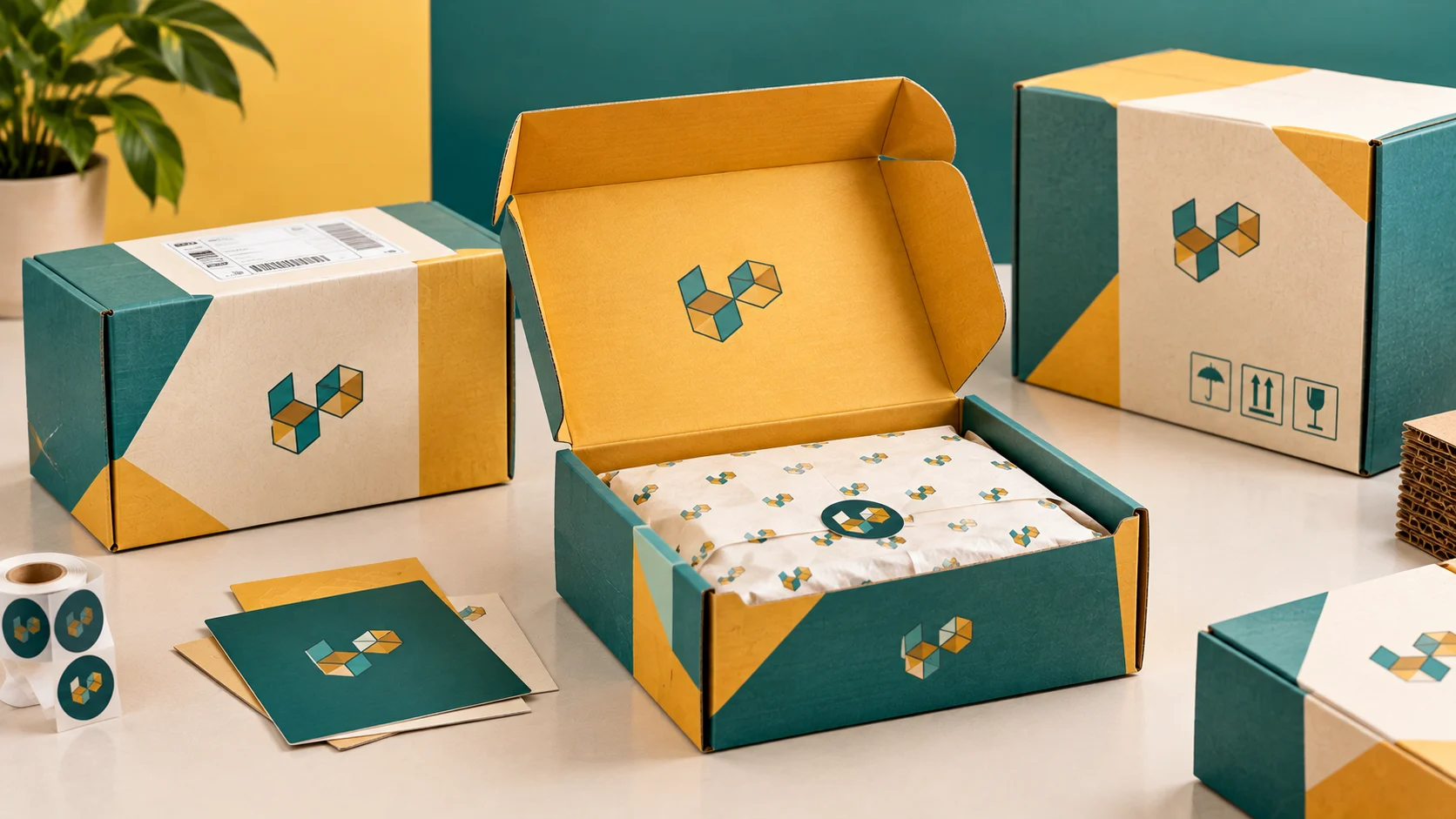
A logo on the top or front panel gives immediate recognition when the package arrives. Plan the placement around shipping labels and required markings so branding and logistics do not compete. Shipping boxes with logo placement planned in advance look cleaner and are easier to handle.
Use Colors That Stay Consistent Across Packaging
Brand colors should match the rest of your visual identity, including your website, product packaging, and printed materials. Consistent color makes branded shipping packaging instantly recognizable. Discuss print options with your supplier so the colors you choose reproduce reliably on the board surface.
Make Printed Information Easy to Read
Typography and messaging should stay clear throughout delivery. Handling instructions, product names, and short messages need to be legible even if the box picks up some wear in transit. Keep text simple and avoid small or low-contrast types that are hard to read at a glance.
Extend Branding Into the Unboxing Experience
Branding does not have to stop at the outside of the box. Interior printing, inserts, stickers, and thoughtful opening details can turn delivery into a branded interaction. These touches give customers a reason to notice the packaging and connect it with the product inside.
Keep Branding Useful Rather Than Excessive
Effective personalized shipping boxes balance visual impact with practical needs. Too much ink, color, or decoration can make a box harder to label, scan, or handle. A clean, confident design often communicates more than a crowded one and keeps the box focused on delivering the product safely.
Custom Shipping Boxes: Pros and Cons to Know
Customization is valuable for many businesses, but it is not automatically right for every operation. Weighing the advantages against the challenges helps you decide whether it fits your products, volume, and budget. For some brands, the better fit and stronger presentation justify the extra planning. For others, a standard carton may be enough.
Custom shipping packaging works best when the product benefits from a precise fit or when branding is a priority. It requires more upfront decisions than ordering stock boxes, so it helps to understand both sides before committing. Businesses considering wholesale custom shipping boxes should especially weigh quantities and storage alongside the potential benefits.
Pros
Better product fit and protection
Stronger brand visibility
Professional customer presentation
Flexible custom box sizes
Opportunities for printed branding
Better alignment with ecommerce packaging needs
Potential for material and design optimization
Cons
More planning than standard boxes
Custom designs may require additional setup.
Incorrect dimensions can create packaging waste.
Specialized materials can increase complexity.
Minimum production quantities may apply with some suppliers.
Poor design choices can reduce rather than improve shipping efficiency.
How to Select the Right Box Size and Structure
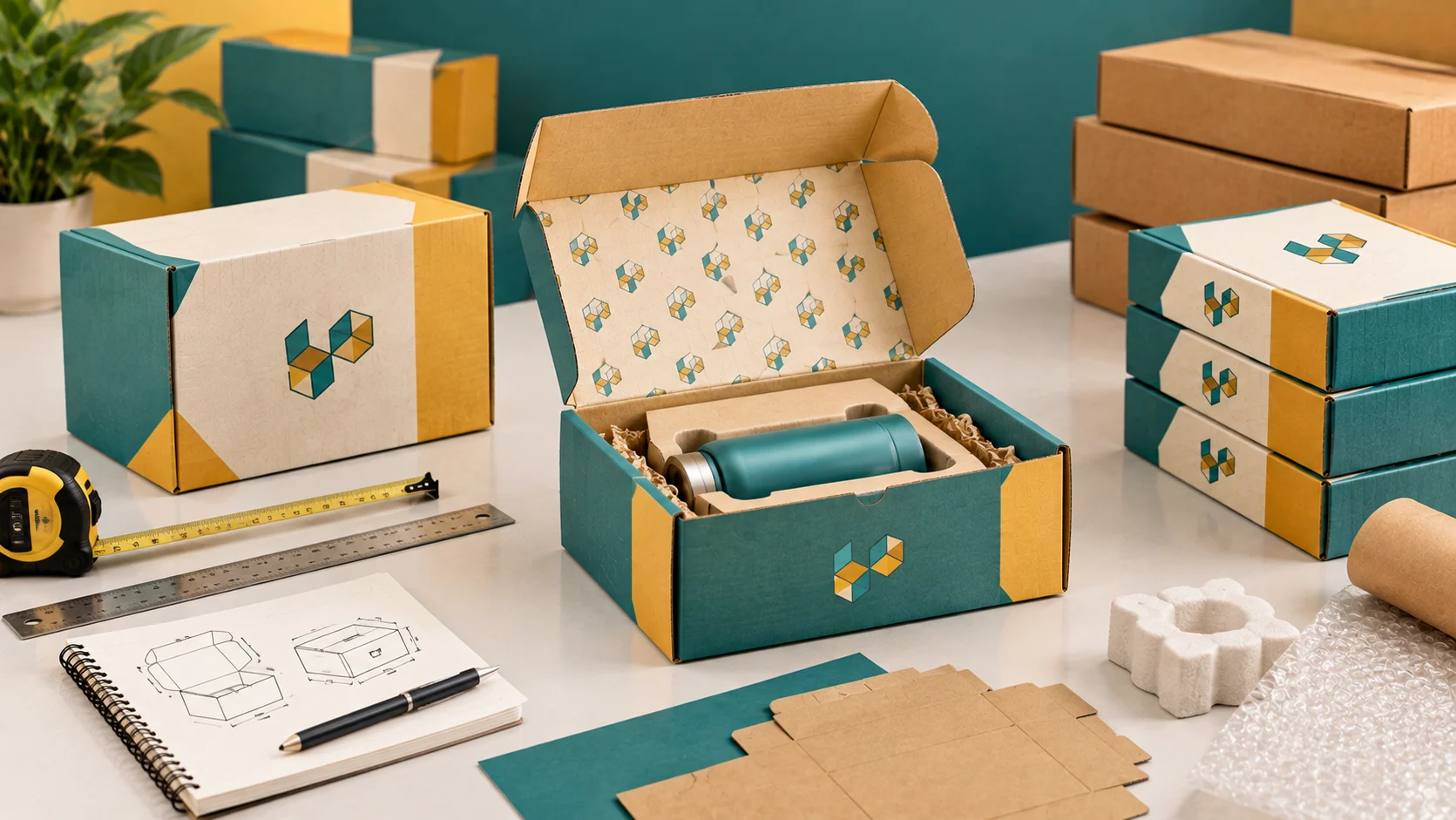
The right size and structure balance product fit, protection, void space, shipping efficiency, and presentation. A box that is too large invites movement and wastes material, while one that is too tight can crush the product or make it hard to remove. Careful decisions here save money and prevent damage. The five steps below cover the practical side of sizing, including considerations for custom mailer packaging.
Measure the Product Before Designing the Box
Accurate measurements are the foundation for box dimensions and internal fit. Measure the product at its widest points and note any protruding parts. Use these numbers to define the interior space instead of estimating by eye.
Leave Room for Necessary Protective Materials
Cushioning, inserts, wrapping, and similar materials need space inside the box. Account for them in the interior dimensions, but avoid leaving large gaps that let the product move. The goal is a snug fit that is still protected on every side.
Match Box Strength to Product Weight
Heavier products need stronger construction, and the box should reflect real shipping demands. Consider the weight of the product, how it will be stacked, and how far it will travel. Choosing board and structure to match the load helps prevent bulging, tearing, and collapse.
Consider Storage and Shipping Efficiency
Right-sized packaging can improve warehouse handling, stacking, storage, and shipping efficiency. Boxes that stack neatly and use space well are easier to store and move. Efficient sizing can also reduce the amount of void fill needed in each package.
Test the Finished Box Before Scaling
A sample reveals fit, compression, closure, and protection problems before a larger order is placed. Pack the sample with the actual product and handle it the way a shipment would be handled. Adjusting at this stage is much simpler than correcting a full production run.
Sustainable Shipping Boxes Without Losing Protection
Sustainability and protection can work together when packaging is designed thoughtfully. Sustainable shipping boxes start with the material, but they also depend on how much material is used. Right-sizing, which means matching the box to the product, reduces waste and often reduces the need for extra void fill. A package that is built close to the product's dimensions also tends to ship more efficiently.
Recyclable materials and recycled content are common starting points. Corrugated board is widely recyclable, and options such as recyclable kraft boxes offer a natural look that many brands use for shipping. Durable shipping packaging can still be environmentally responsible, as long as the structure is strong enough to protect the product. A box that fails in transit creates more waste than one that is built properly.
It also helps to reduce unnecessary components. Plastic inserts, heavy laminations, and mixed materials can make recycling more difficult, so each added element should serve a clear purpose. Clear disposal guidance on the box helps customers recycle correctly. Environmental claims should stay accurate and specific, describing what the box is actually made of. A thoughtful approach to materials, sizing, and design can reduce waste without compromising delivery performance.
When Heavy-Duty Shipping Boxes Make More Sense
Standard construction is enough for many shipments, but some products justify stronger packaging. Heavy-duty shipping boxes make sense when weight, stacking, handling, distance, or fragility raises the risk of damage. Reinforced packaging adds material and cost, so it should be used where the product's needs call for it rather than by default.
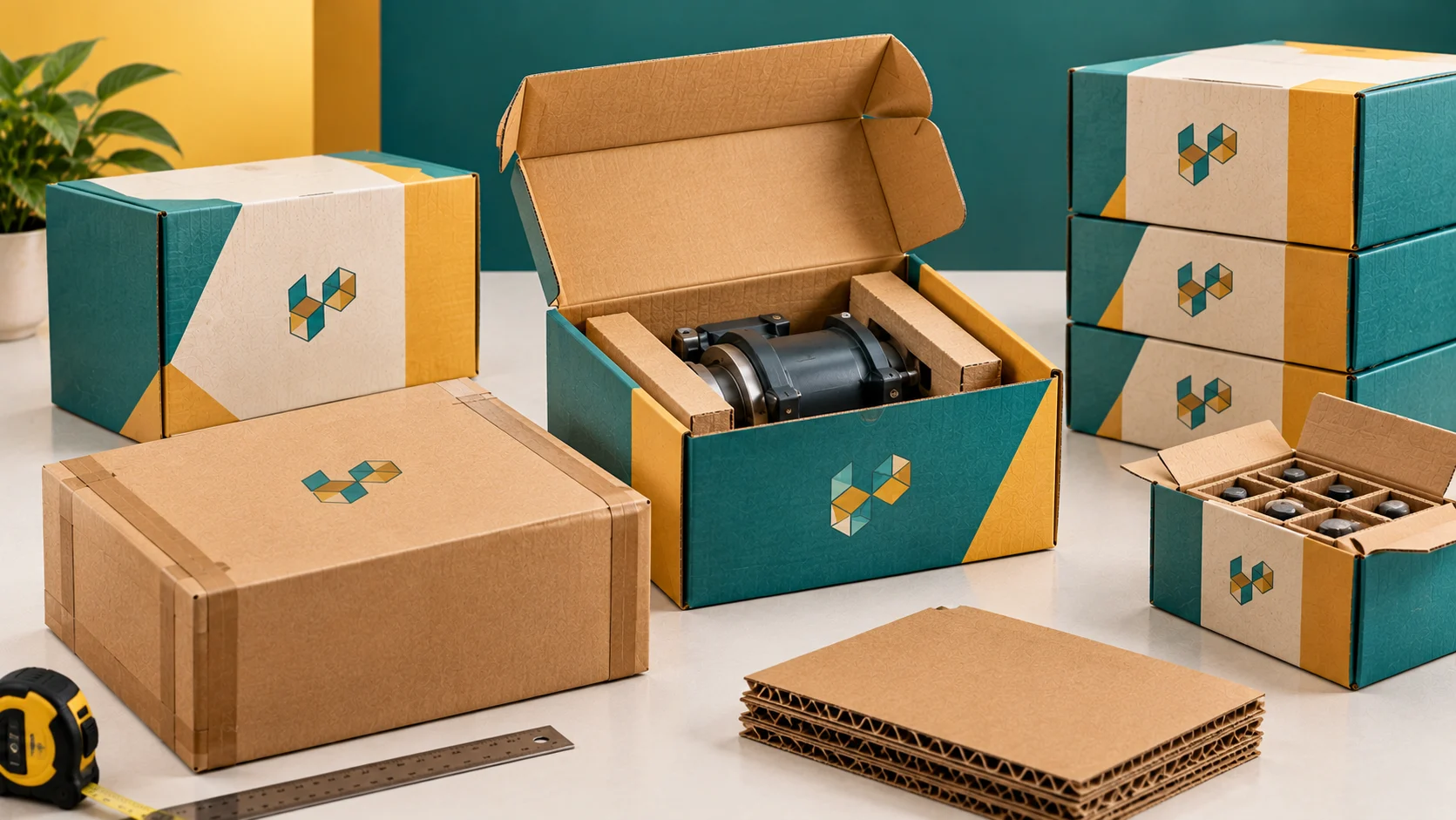
Weight is the most obvious factor. Dense or heavy items can bulge or break through thinner board, especially when packages are stacked. Valuable or fragile products carry a higher cost if something goes wrong, which can make added strength worthwhile. Long distances and multiple handoffs expose packages to more handling, and unusually shaped products may need extra structural support to stay secure.
Structure matters as well as board strength. Styles such as full flap boxes, where the flaps cover the full top and bottom, add extra coverage and rigidity for heavier loads. When evaluating protective shipping boxes, look at board grade, wall construction, flap design, and how the box closes. If you are unsure, testing a sample with the actual product is the most reliable way to confirm that the packaging is strong enough.
Ordering Custom Shipping Boxes Without Mistakes
Ordering goes more smoothly when you know what to prepare and what to confirm. A clear process reduces revisions, avoids surprises, and helps the finished boxes match your expectations. The five stages below cover the full path from specifications to delivery. Following them in order is especially helpful when ordering custom printed shipping boxes for the first time.
Prepare Your Product and Shipping Specifications
Share the product dimensions, weight, fragility, shipping environment, quantity, and intended use of the packaging. This information allows a supplier to recommend the right structure and give an accurate quote. The more precise the details, the fewer changes are needed later.
Choose the Box Style and Material
Decide between corrugated construction, mailer formats, or other structures, and specify the board strength and any sustainability requirements. Describe how the product will be shipped so the supplier can suggest suitable options. A clear brief leads to better recommendations and more accurate pricing.
Finalize Printing and Brand Artwork
Review logos, colors, graphics, and text carefully before production. Confirm that the artwork matches the box dimensions and leaves room for shipping labels. Checking the proof closely at this stage prevents costly errors on printed boxes.
Request Samples and Check the Fit
Testing actual packaging confirms the dimensions, protection, closure, appearance, and usability. Pack the sample with the real product and check how it holds up when handled. A sample is the best way to catch problems before you scale the order.
Confirm Quantity, Quality, and Production Timing
Before approving a wholesale or larger custom order, verify the quantity, quality standards, and production schedule. Timing matters most when packaging is tied to a seasonal rush, such as holiday shipping boxes that need to be ready before peak demand. Allow time for revisions, production, and delivery so the boxes arrive when you need them.
Final Thoughts on Custom Shipping Boxes
The best shipping packaging protects the product, fits it well, and represents the brand clearly. That outcome comes from a series of connected decisions about materials, sizing, protection, branding, sustainability, and testing. With Boxy Pack, these elements can be planned together, helping brands create packaging that performs well without treating each decision separately.
Custom shipping boxes work best when they are chosen around the product's real requirements and the customer's experience. A strong material matched to the shipment, a size that limits movement and waste, and branding that stays clear and practical all contribute to safer delivery. Testing a sample before a larger order adds confidence and helps avoid avoidable problems.
If you are planning your next shipment, start by reviewing your product's dimensions, weight, and shipping conditions, then think about how you want customers to experience the package. With those requirements in hand, you can explore custom shipping box solutions at Boxy Pack and find a style that suits your products and your brand.
FAQs About Custom Shipping Boxes
Selecting shipping packaging means balancing product protection, dimensions, materials, branding, sustainability, and shipping requirements. Each business has different needs, so the right choice depends on the product and how it travels. The following questions address common concerns businesses have before ordering customized boxes.
What makes custom shipping boxes different from standard shipping cartons?
Custom shipping boxes are made to the specifications of a particular product, while standard cartons come in set sizes meant to suit many items. This allows a closer fit, a structure matched to the product's weight and fragility, and printed branding. The result is usually better protection and a more professional presentation on arrival.
Which box material provides the best protection for shipped products?
Corrugated board is the most widely used material for shipping because its fluted layer adds strength and cushioning at a manageable weight. The best choice depends on the product, since heavier or more fragile items may need thicker or multi-wall construction. Matching board strength to weight, stacking, and travel conditions matters more than choosing the thickest option.
How can I determine the ideal custom box size for my product?
Measure the product's length, width, and height at its widest points, then add space for any inserts, wrapping, or cushioning. The goal is a snug fit that leaves little room for movement without squeezing the product. Testing a sample packed with the actual item is the most reliable way to confirm the size.
Can custom shipping boxes be recycled after delivery?
Many can, especially boxes made from corrugated or kraft board, which are widely accepted in recycling programs. Recyclability can be affected by heavy coatings, laminations, plastic components, or mixed materials, so it helps to keep those to a minimum. Local recycling rules vary, so checking guidance in your area is a good idea.
What should I consider before ordering branded shipping boxes?
Think about logo placement, color consistency, and how readable the printed information will be. Leave room for shipping labels and handling markings so branding does not interfere with delivery. Review the artwork proof carefully and test a sample before approving a larger order.
Are custom mailer boxes suitable for ecommerce businesses?
Yes, mailer boxes are a popular choice for ecommerce, particularly for lightweight to moderately heavy products and subscription items. They offer good branding potential and a clean unboxing experience. Suitability depends on product fit and protection needs, so very heavy or fragile items may call for a stronger corrugated shipping box instead.
When does ordering custom shipping boxes wholesale make sense?
Wholesale ordering makes sense when you ship the same product regularly and can predict demand with reasonable confidence. Larger quantities often spread setup work across more units, which can lower the cost per box. Make sure you have storage space and have tested a sample first, so you are not committing to a large run before confirming the fit.
Ready to Get Started?
Discover our custom packaging solutions and bring your brand to life with premium boxes.