
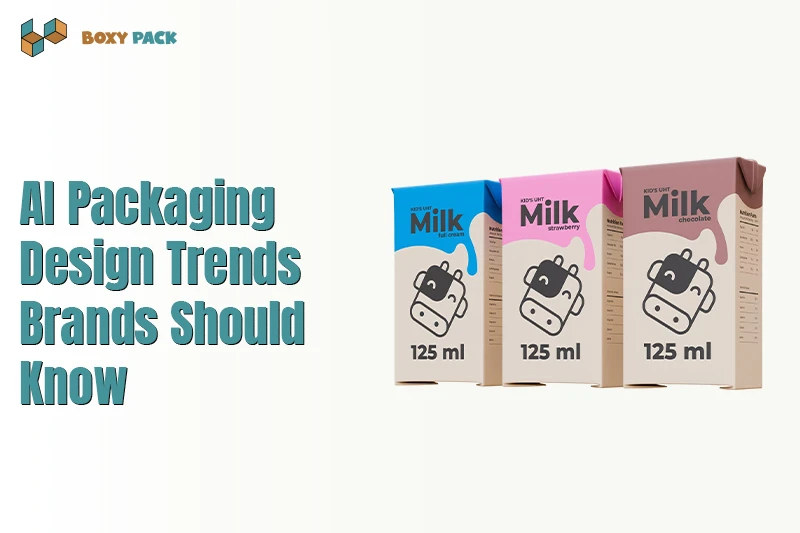
AI packaging design trends are shifting fast. Brands now face more choices than ever. You might notice some packages feel alive with tech or show more personality. Many companies struggle to keep up. They want to stand out on shelves but avoid mistakes. Old designs just do not catch attention anymore. The solution is learning the latest AI packaging design trends.
Smart packaging solutions and packaging design trends in 2026, packaging personalization, and sustainable packaging design are part of this change. This blog covers packaging automation, QR code packaging, NFC packaging, and other innovations. You will also see typography packaging design, transparent packaging, and premium packaging trends. By the end, you will know how the future of packaging design can boost shelf-ready packaging and the digital packaging experience.
Why AI Packaging Trends Matter Now
Packaging Is Now a Brand Growth Tool
Packaging is not just a box anymore. It shapes how people see your brand and if they trust it. Good packaging can make buyers excited and loyal. Brands need designs that look right on shelves and online. Trends now follow what buyers want, how much things cost, and new rules. You might notice eco-friendly packaging becoming common everywhere.
Smart ideas like QR code packaging or NFC labels let buyers connect to extra info. Clear typography and see-through packaging give a quality feel. Fast design changes help pre roll display boxes stay relevant. Packaging is now a tool to make real connections and bring a brand alive in stores and online.
How AI Speeds Up Packaging Design

Faster Concepts and Smarter Iteration
AI in packaging design makes work faster and less stressful. Teams can try many ideas from one prompt. This cuts the time spent on manual changes. Faster design helps brands get products to buyers sooner.
Faster Design Iterations
You can explore multiple packaging looks in hours. Changes that used to take days now take minutes. Teams stay creative while avoiding long delays. This speed keeps premium tobacco packaging ahead on shelves and online.
Lower Prototyping Costs
Digital simulations replace many physical mockups. AI tests fit, visuals, and performance early. Brands spend less on materials and wasted designs.
Better Time to Market
Speed gives brands a strong edge over competitors. Fewer prototypes and faster launches keep products relevant. AI in packaging design helps brands react to trends without losing quality or control.
AI Personalization Is Changing Packaging

Smarter Packaging for Specific Audiences
Packaging personalization is helping brands speak to buyers directly. AI can suggest designs based on audience preferences. Brands can make more targeted variations without wasting time. You might notice packages now feel tailored to who will buy them.
Audience-Aware Designs
Personalized packaging keeps buyers engaged and loyal. One-size-fits-all designs are fading fast. AI tags printing helps test colors, text, and visuals for different groups. This makes products feel thoughtful and relevant. Packaging personalization is now part of real marketing, not just decoration. Brands that use it can connect with people better and make each product feel unique.
Smart Packaging Is Becoming Mainstream

Digital Touchpoints Are Now Part of Design
Smart packaging solutions are moving from ideas to real shelves. Packaging now does more than protect products. It connects buyers to stories, info, and brand content. You might notice labels that open new experiences with a tap or scan.
QR Code Packaging
QR code packaging extends storytelling beyond the box. Buyers can access videos, instructions, or special offers. It keeps brands connected to customers even after purchase.
NFC and Connected Packaging
Tap-to-verify labels help buyers check authenticity. NFC packaging also improves traceability. Brands can share product tips and educational content. These features build trust and loyalty.
Digital Packaging Experiences
AR and interactive elements make unboxing fun. Physical packaging links to digital experiences. Brands now combine shelf appeal with online engagement. Smart packaging solutions show how tech and design work together. Customers notice the connection and respond with more interest and repeat purchases through premium business cards.
Sustainable Packaging Gets Smarter With AI
Sustainability and Innovation Now Work Together
Sustainable packaging design is now smarter with AI. Brands can pick materials and shapes that save waste and cost. Buyers notice eco-friendly packs and trust responsible brands more. Sustainability affects purchases and reputation.
Mono-material packaging for easier recycling
Recycled plastics to cut waste
Mycelium-based packaging for compostable solutions
Seaweed films as a renewable wrap
Agricultural waste is used for boxes and trays
AI-guided material selection for efficiency
Compliance with rules and cost management
Transparency Builds More Consumer Trust
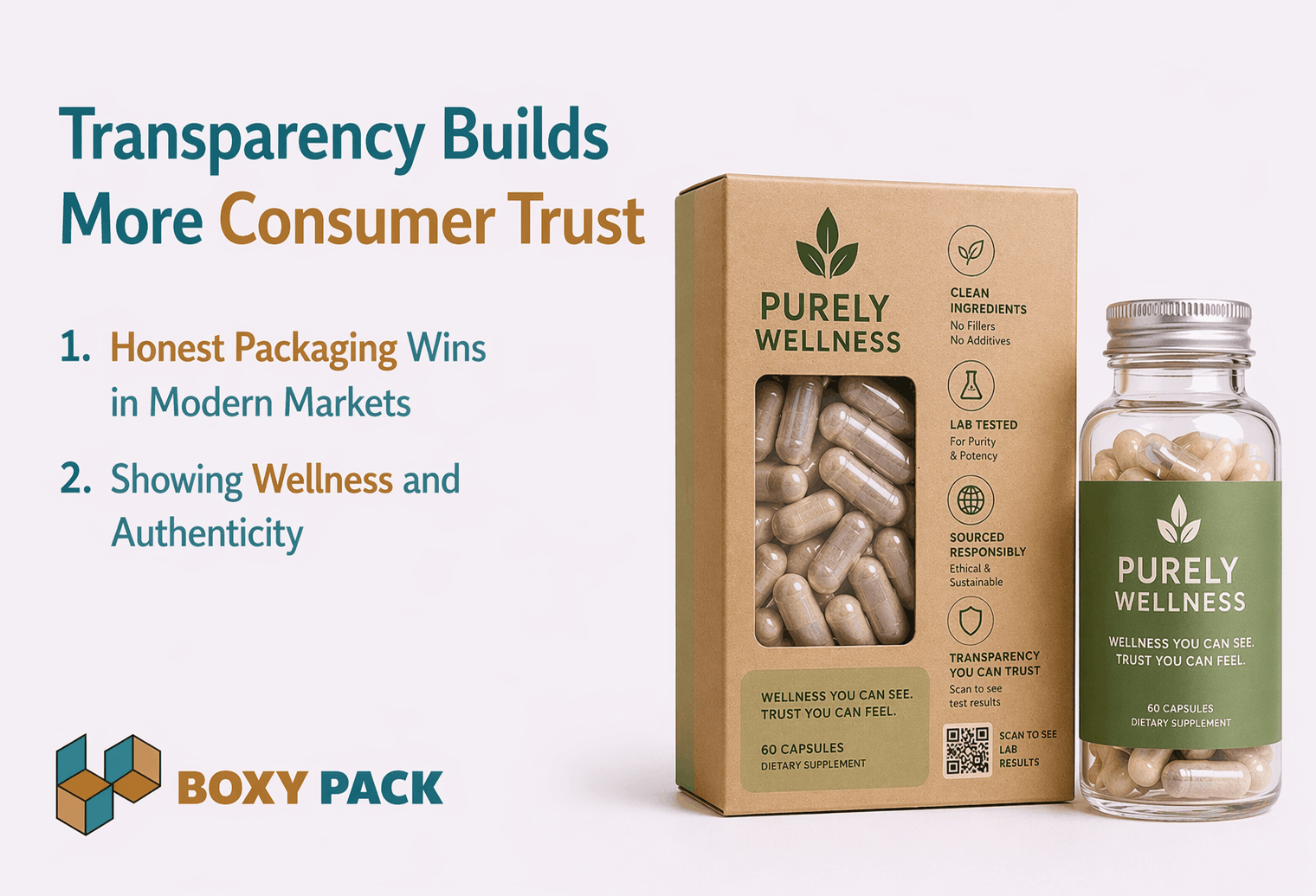
Honest Packaging Wins in Modern Markets
Transparent packaging helps buyers see what they are getting. Clear windows and simple labels show the product clearly. Brands that use honesty in packaging reduce doubts and build trust. Clean-label messaging and simple claims make products feel safer and more real.
Showing Wellness and Authenticity
Honest layouts lower perceived risk for buyers. Transparency supports wellness and authenticity positioning. Buyers notice when brands are open and upfront. Transparent packaging is more than looks. It gives confidence, supports brand integrity, and makes products easier to choose in stores and online with product labels expert support.
Typography-Led Packaging Cuts Through Clutter

Big Type Makes Packaging More Memorable
Typography packaging design helps brands stand out. Bold letters catch attention and make products easier to find. Clear type improves shelf visibility and helps buyers remember the brand. Handwritten or imperfect styles feel human and approachable.
Fighting Generic Looks
Type-first packaging fights the sameness of generic visuals. It gives a unique voice to products. Buyers notice human touches more than perfect machine-made layouts. This helps brands look real and trustworthy.
Readability and Clarity
Good typography also improves clarity and accessibility. Buyers can read labels fast and understand the product. Typography packaging design links to authenticity and stronger shelf recall. Clear letters make luxury cosmetic boxes feel honest, human, and easier to choose.
Nostalgic Packaging Feels Fresh Again
Retro Design Is Returning With a Modern Twist
Nostalgic packaging design mixes old-school style with modern layouts. It builds trust and emotional connections. Heritage cues help brands stand out.
Vintage colors and fonts
Classic logos updated
Old-style illustrations
Heritage storytelling
Emotional appeal
Distinctive retro-modern layouts
Structure Matters More Than Ever
Great Packaging Is More Than Graphics
Structural packaging design is now key for custom CBD boxes. Brands rethink size, format, and the way buyers touch items. Strong structure protects products, meets rules, and keeps costs low. AI can guide smarter choices. Good packaging feels solid, thoughtful, and professional beyond just its graphics.
Human Creativity Still Shapes Great Packaging

AI Helps, but Brands Still Need a Human Edge
Packaging branding trends show that AI speeds work but cannot replace judgment. Human creativity guides choices that feel real and relevant. Teams that mix tech and instinct avoid generic results and bland designs.
Human-Led Creativity
Humans add storytelling, emotion, and personal touches that machines miss. Imperfections make packaging feel honest and approachable.
Avoiding Generic Looks
AI alone often creates sameness. Human input keeps designs fresh and unique. Designers fight bland layouts with ideas that feel lived-in and genuine.
Risk and Experimentation
Creative risk is still valuable. Bold colors, type, and layouts grab attention. Buyers notice designs that show character and personality.
Blending Tech and Originality
The best packaging combines automation with human insight. This mix speeds production while keeping products memorable and authentic.
How These Trends Help Brands Sell More
Trend-Led Packaging Supports Real Business Goals
The future of packaging design drives real results. Better shelf impact grabs attention. Buyers trust honest and clear packaging more. Digital links boost engagement. Strong differentiation makes products memorable. Faster launches and smarter workflows help brands act quickly. Trend-led AI sports boxes turn design choices into real business wins.
Boxy Pack vs Competitors: Why We Are Better
Modern Packaging That Follows Real Market Trends
Feature | Boxy Pack | Generic Competitors |
Trend-Aware Design | Modern and strategy-led | Often outdated |
AI-Ready Workflow Thinking | Faster and more adaptive | Slower revisions |
Customization | Flexible | Limited |
Smart Packaging Potential | High | Minimal |
Sustainability Focus | Stronger opportunity | Inconsistent |
Shelf and Unboxing Impact | More intentional | Basic |
Boxy Pack focuses on custom packaging design that follows real packaging branding trends. Flexibility, trend awareness, and smarter workflows help brands stay relevant. Competitors often lack adaptability and modern design thinking.
Common Mistakes Brands Make With AI Packaging
1. Copying Trends Without Thought
Some brands copy trends without checking if it fits their story. Packages look generic and forgettable.
2. Overusing AI Visuals
AI-generated designs are convenient but can feel machine-made and repetitive.
3. Ignoring Structure and Reality
Boxes may look good on screen, but fail in production or shipping.
4. Adding Digital Features Without Purpose
QR codes or NFC taps need real value. Otherwise, buyers are confused.
5. Treating Sustainability as Decoration
Eco-friendly claims must be real. Surface-level messages hurt trust and credibility.
Conclusion
The Best Packaging Trends Combine Tech and Creativity
Packaging today is not just about looks. AI packaging design trends help brands move more quickly and test ideas without long delays. You might notice eco packs' smart features, clear labels, and bold type more often now. Good structure also keeps products safe and easy to use. All these choices work together and help brands earn trust and stand out.
The future of packaging design depends on balance. Tech helps, but human thinking still leads the way. Trends should support real sales and a clear brand identity. Brands that adapt early to AI packaging design trends can build a stronger shelf presence and better customer connections. Boxy Pack can also help build smarter long-term packaging systems that actually work.
FAQs
Q1: What are AI packaging design trends?
AI packaging design trends show how brands can move fast, personalize packs, use smart packaging solutions, and work with eco-friendly materials. They help products look good on shelves and online.
Q2: How does AI improve packaging design?
AI speeds up design ideas and cuts prototypes. Teams can try more layouts faster. It helps designs stay on brand while saving time and materials.
Q3: What is smart packaging in 2026?
Smart packaging solutions include QR codes, NFC labels, and AR features. They link products to online content, build trust, and give buyers useful information easily.
Q4: Why are QR codes and NFC used in packaging?
QR codes and NFC let buyers check authenticity, see product info, and access brand content. They make packaging more than a box.
Q5: How does sustainable packaging fit into AI trends?
AI helps brands pick materials and reduce waste. Sustainable packaging builds trust, supports purchases, and keeps long-term costs in control.
Q6: Will AI replace packaging designers?
AI cannot replace humans. Designers guide ideas, storytelling, and creativity. They keep packaging unique, real, and memorable.
Q7: Why is typography-led packaging trending?
Typography packaging design stands out on shelves. Big, clear letters feel human, real, and make products easy to read and remember.
Ready to Get Started?
Discover our custom packaging solutions and bring your brand to life with premium boxes.